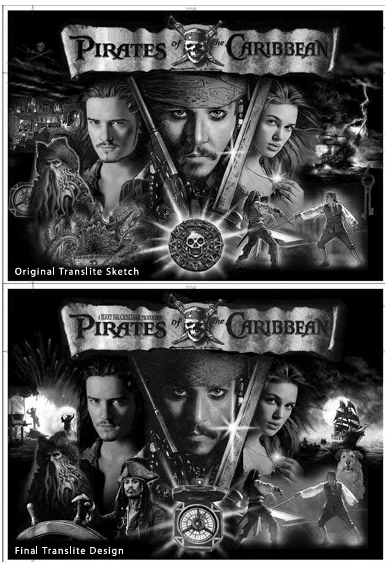
A Behind-The-Scenes Look at the Development of Stern Pinball's 2006 Pirates of the Caribbean
By knapparcade
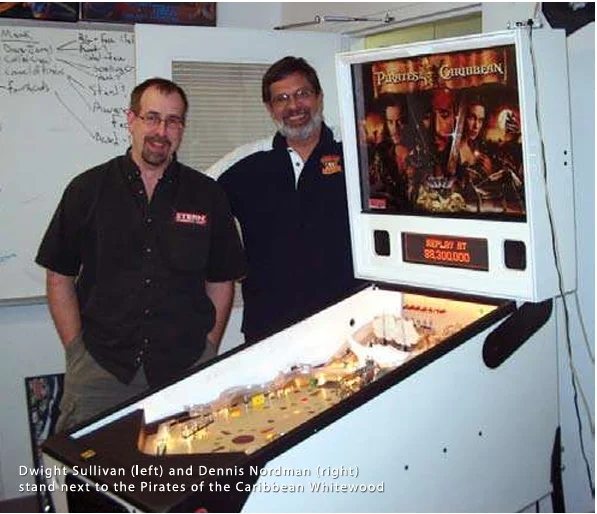
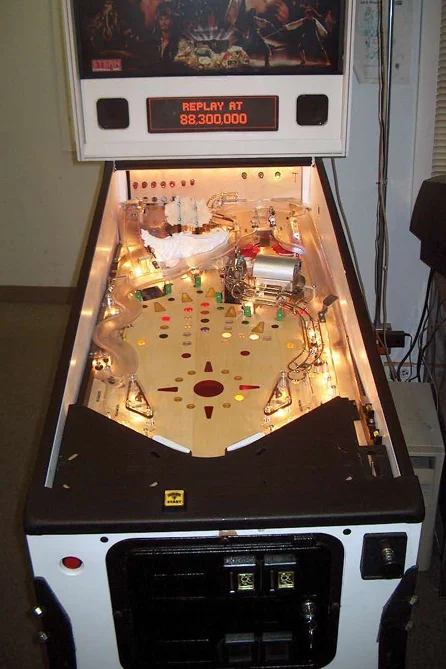
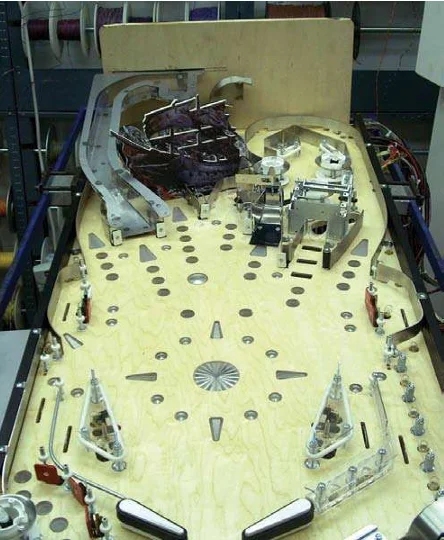
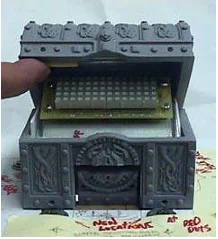
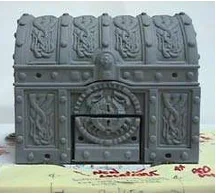
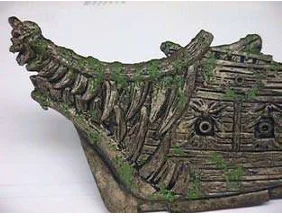
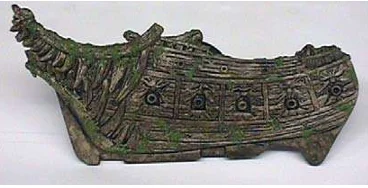
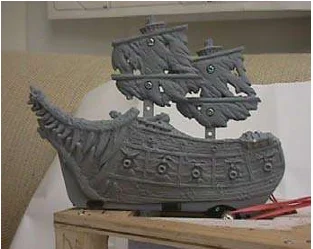
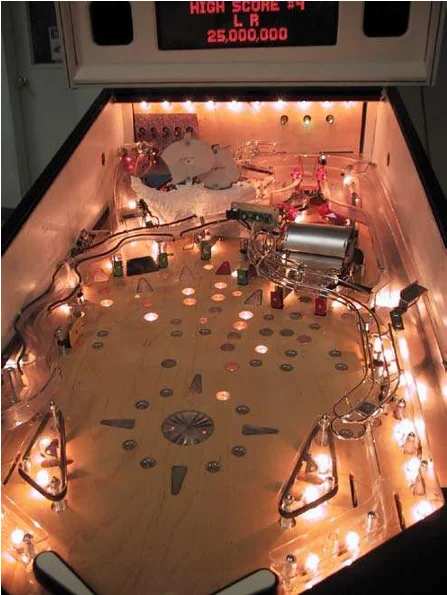
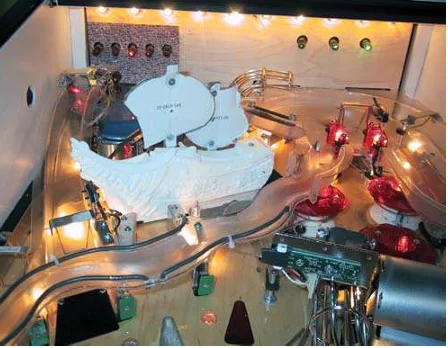
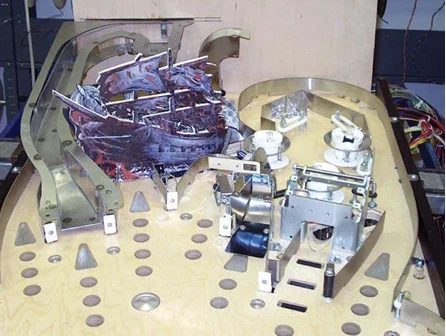
In the summer of 2006, GameRoom Magazine ran an interview with the legendary pinball designer Dennis Nordman about the Development of Stern Pinball's upcoming Pirates of the Caribbean pinball machine. The game was Nordman’s first pinball machine in 10 years, and at the time it was still racing toward production. In the interview Nordman shared a lot of interesting information about features that were cut or redesigned during development and what Disney’s licensing rules meant for the game. A late start Stern hired Nordman in 2005, and his first assignment was a redemption game, The Simpsons Kooky Carnival. He learned about the Pirates license in mid-2005 and started the playfield that September or October, working on both games at once. The drawing was finished in January 2006. Stern’s engineers were tied up on World Poker Tour until then, so the first whitewood wasn’t ready until around February 1. The plan had been to have Pirates out a week or two before Dead Man’s Chest opened in theaters. Nordman said the game had three new mechanisms: the sinking ship, the treasure chest and the spinning disc. Developing those took time, and “there are some things you just can’t hurry.” Playtesting without ramps Nordman said the team played and tweaked the game for months without real ramps. He made stand-ins from flat plastic, but there was no way to know how the shots would play until the molded parts arrived. “Back at WMS we had the luxury of having model makers to build things for us,” he said. “We don’t have that luxury here at Stern.” The molded ramps came off the wood mold only about a month before the interview. Cut for cost: the Parlay feature Nordman’s favorite lost idea was the Parlay feature. In the first film, “parley” is a pirate’s last-chance plea to negotiate with the captain. To match that, he squeezed a pop bumper surrounded by targets into the left outlane, in the space where the metal bottom arch sits. A drained ball would be knocked around in there, and spelling PARLAY would give the player the ball back. “But that got costed out,” he said. Cut: inline drop targets The original design had a bank of inline drop targets in front of the treasure chest. Nordman said the patent on inline drop targets had expired and Stern was designing its own version. The targets came out for two reasons: “We wanted more time to refine our design and... money.” The final game has no drop targets. Asked which cost cuts hurt the most, Nordman named these two: the Parlay pop bumper and the drop targets. The treasure chest Nordman said the chest “has gone through several design changes.” Original idea: The chest would award a random prize, such as an extra ball, points or a feature start, shown on the display. The final design has five LEDs instead. First key design: Players spelled K-E-Y by hitting an opto sensor in front of the chest door over and over until it opened. Nordman said he and Ray Tanzer argued over it, and he found it “too boring.” Final key design: The K-E-Y letters moved to the three lanes at the top of the playfield, so players have to work other parts of the game to open the chest. The chest was still in progress at interview time. Nordman said the molded parts weren’t expected until July 6 or 7. Changed: the Wench’s Feature The five or six green standup targets originally triggered a “Wench’s Feature,” where players heard a wench slap Johnny Depp’s character. “To me it just wasn’t powerful enough,” Nordman said. It was changed into a battle against Davy Jones’ crew. Two elements were brought in from other games The wire cage in the middle of the playfield, which Steve Ritchie named the “Reverse-o-matic,” came from World Poker Tour. The spinning disc is modeled on the Mixmaster from Dr. Dude. Nordman changed it so the exit can be blocked, letting balls be locked inside while play continues elsewhere. Licensing: reading the script at Disney In September 2005, Gary Stern, programmer Dwight Sullivan and Nordman went to Disney’s headquarters to read the Dead Man’s Chest script. Nordman said they were closed in a room and allowed to take notes, but couldn’t take the script out. It took three or four hours to read. Afterward, the team decided not to follow the sequel’s plot and to use elements from both films. Licensing: voices Disney told Stern the original actors wouldn’t record any speech, so the game had to use sound-alikes that Disney approved. “That was starting to get pretty expensive,” Nordman said. Stern dropped Orlando Bloom and Keira Knightley early on and used sound-alikes only for Johnny Depp and Davy Jones. Other voice decisions also changed under Disney’s review: Captain names: The game has four pirate captains of different nationalities, one for each time the player sinks the ship. The team originally named them after real pirates. Disney said no, and Stern made up new names. Script revisions: Disney approved the script, which Second City writer Glenn Earich wrote, then sent back revisions. Nordman said they improved some lines. Cut material: A female character’s Elvira-style lines were cut, along with “all the pinball humor.” Licensing: music and art Disney let Stern write its own music. Composer David Thiel used only period instruments, and Stern licensed “Yo Ho (A Pirate’s Life for Me).” The cabinet art isn’t an original drawing. It’s the Black Pearl with the Disney logo, taken from Disney’s Pirates style guide.