How to Get a Coveted Goonies Pinball Machine If You're Not Already on a List; Plus Cool History
By knapparcade
Yesterday, Spooky Pinball officially confirmed that the theme of their 2027 pinball machine will be The Goonies. The demand for this game is HUGE. I've had a lot of people ask me how to get one. Many people are getting games because they heard a rumor that the theme is being made and reached out to distributors ages ago and asked to be put on a list for the hypothetical game. So, make sure to pay attention to my rumor articles lol. Let's say that you haven't been on a list for Goonies for forever, can you still get a game? Absolutely. So you're saying there's a chance? I sure am. I have two great ways for people to potentially get one. The first is to reach out to my friend and sponsor of this website Joe Newhart at PinballSTAR Amusements. PinballSTAR is Spooky's oldest and largest distributor. They don't have a long secret list for the game. Instead, the day of the official launch PinballSTAR is going to e-mail out a link to everyone on its e-mail list. Games will be for sale through that link on a first-come, first-served basis. You can get on the distribution list for this e-mail by reaching out to sales@pinballstar.com or via the website https://pinballstar.com/ . The other way to get a Goonies is to reach out to Spooky Pinball directly on the day of the reveal. They are selling a select number of games to the public themselves. In the past with high demand games, Spooky's website (https://www.spookypinball.com/ ) has crashed. You can still try to buy the game through their site, but you also may want to try to call them directly at 815-541-0054. Neither of these techniques guarantees you a game, but there is still some hope for Goonies super-fans who aren't on a list already. Speaking of the game, I have a few new pieces of information about it. First up, the launch time. If you're going to use the above techniques to try to get a game you're going to have to be ready. According to Spooky Luke, the reveal is happening at 10:00 AM Central time on Friday, November 13th. When will Goonies go into production? As of right now, the final day of Beetlejuice production at Spooky's Benton, Wisconsin factory is scheduled for January 2, 2027. Production will switch over to Goonies after that.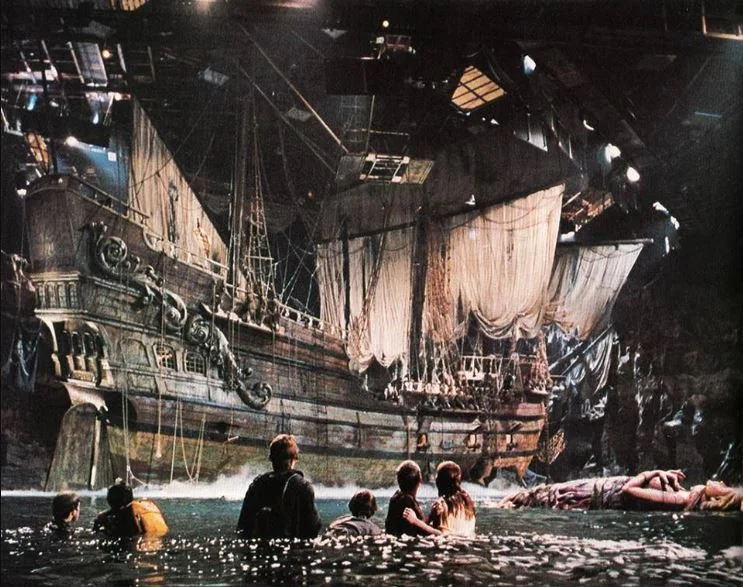
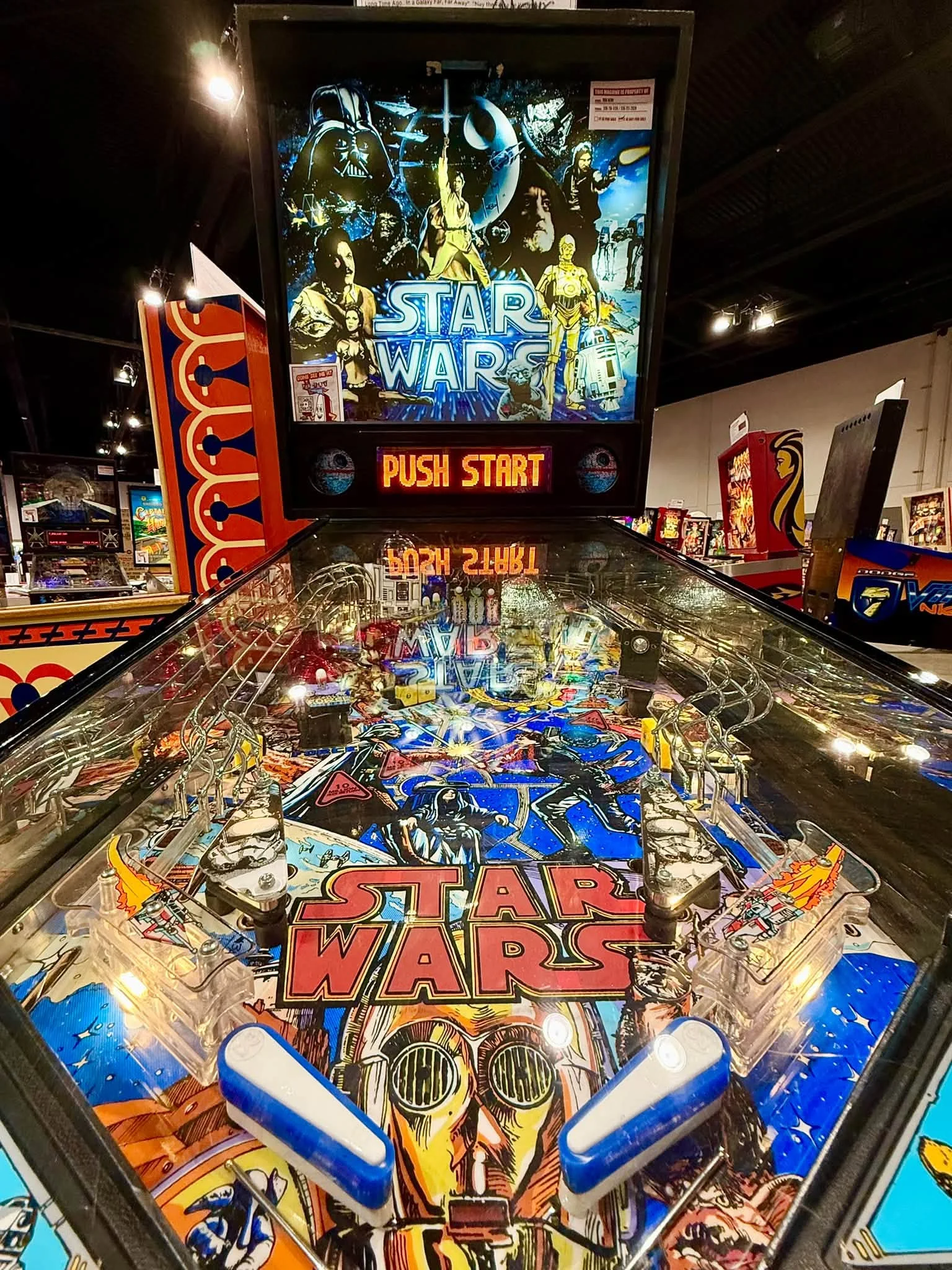
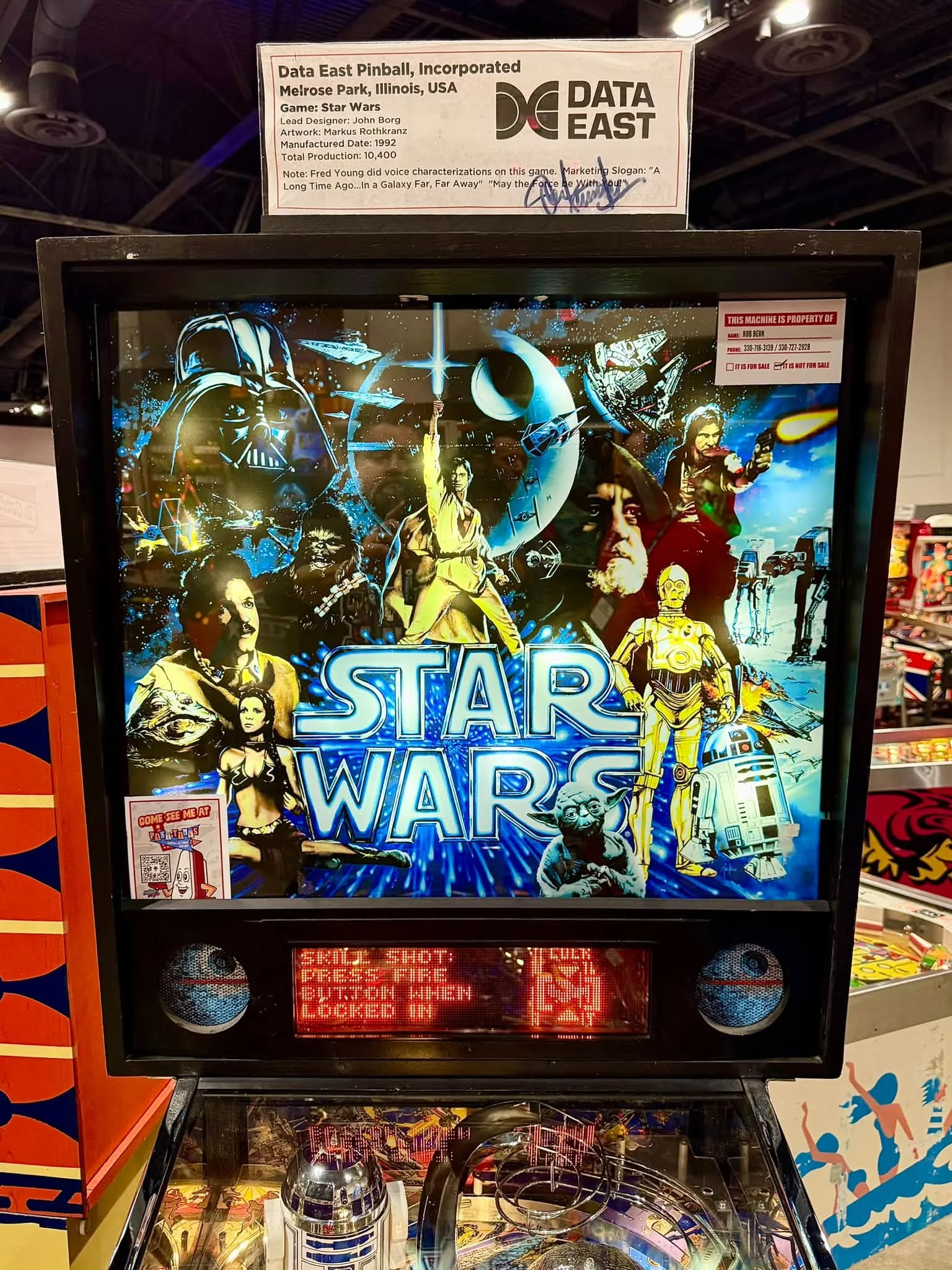
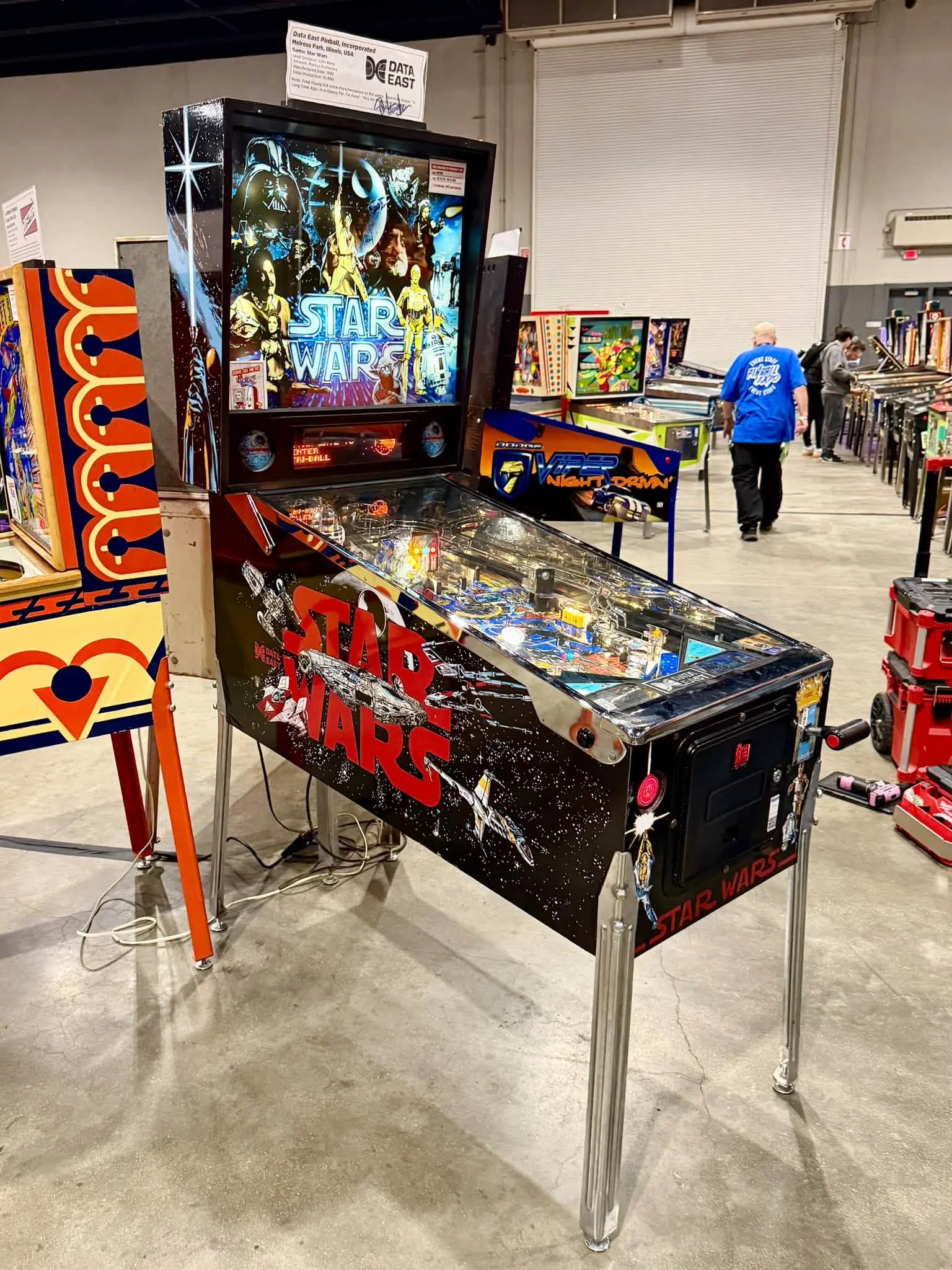
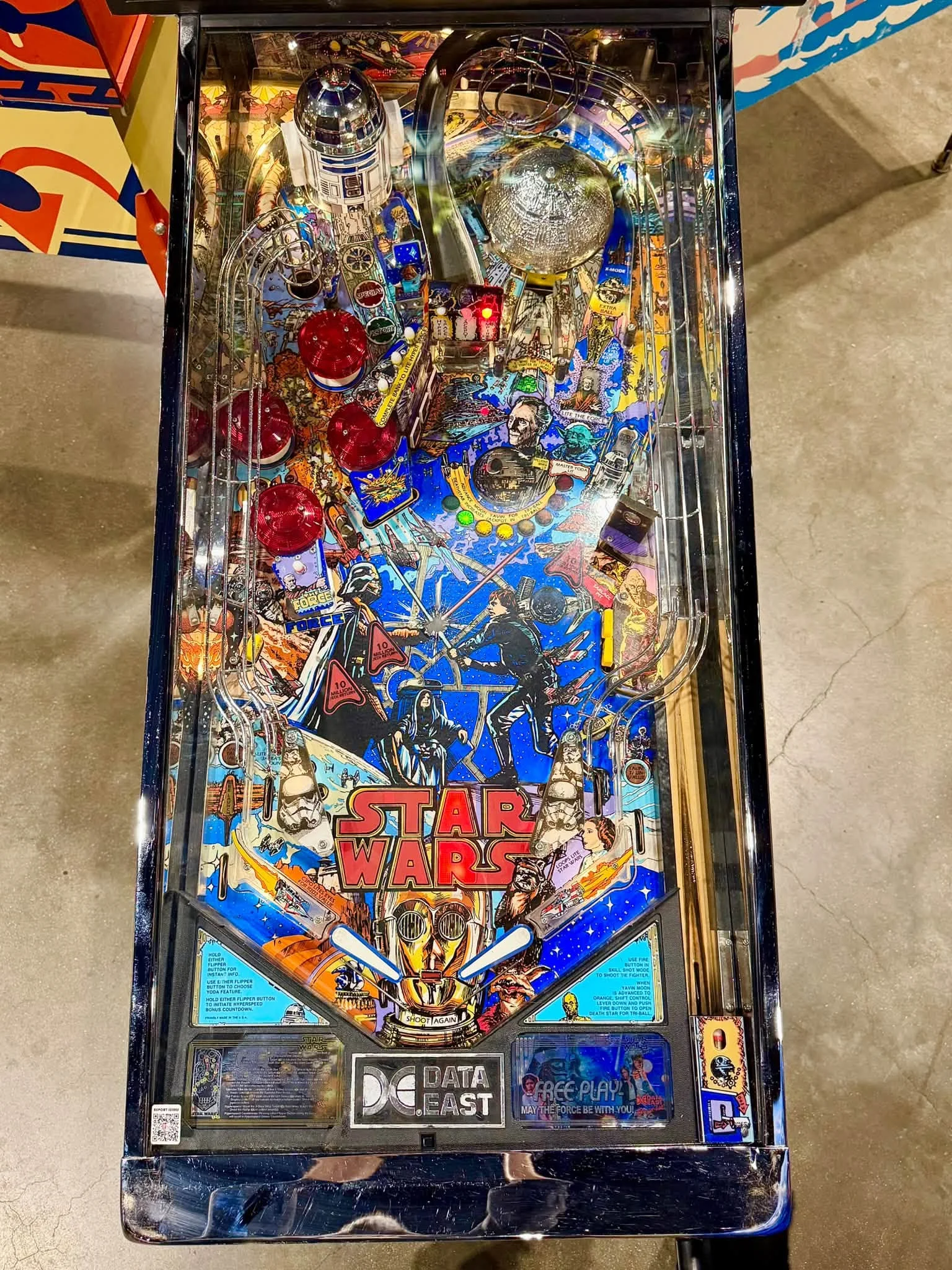
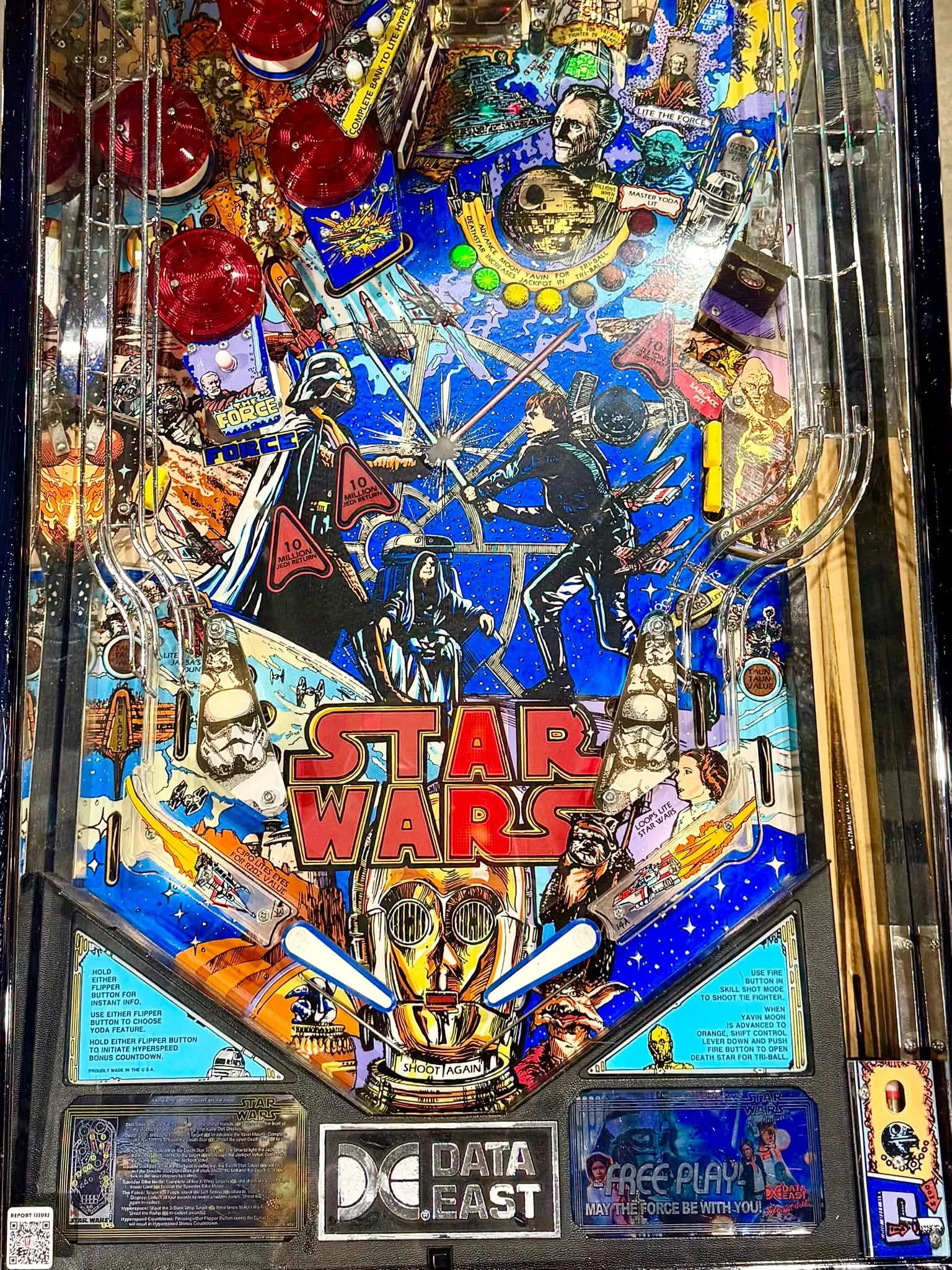
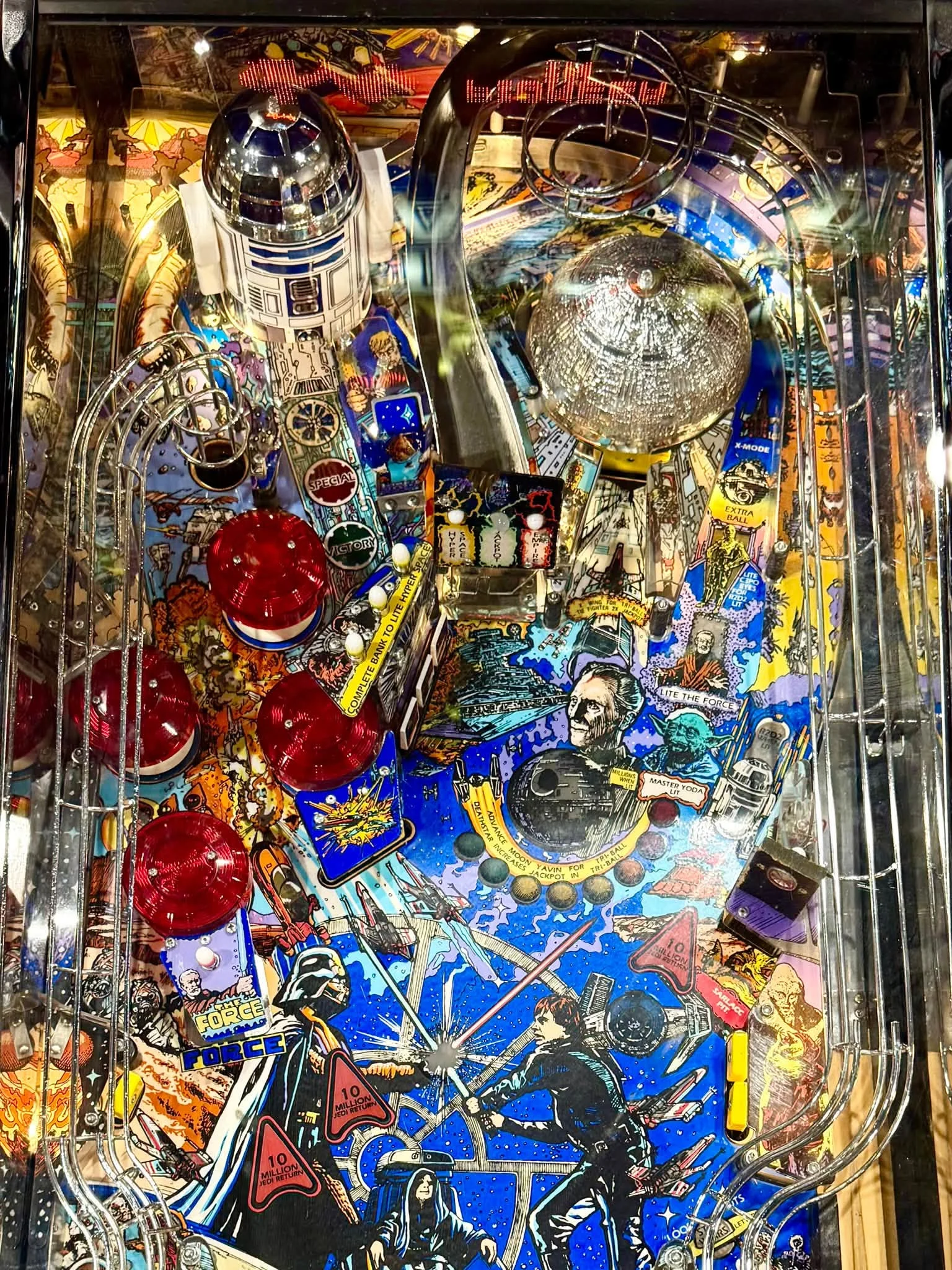
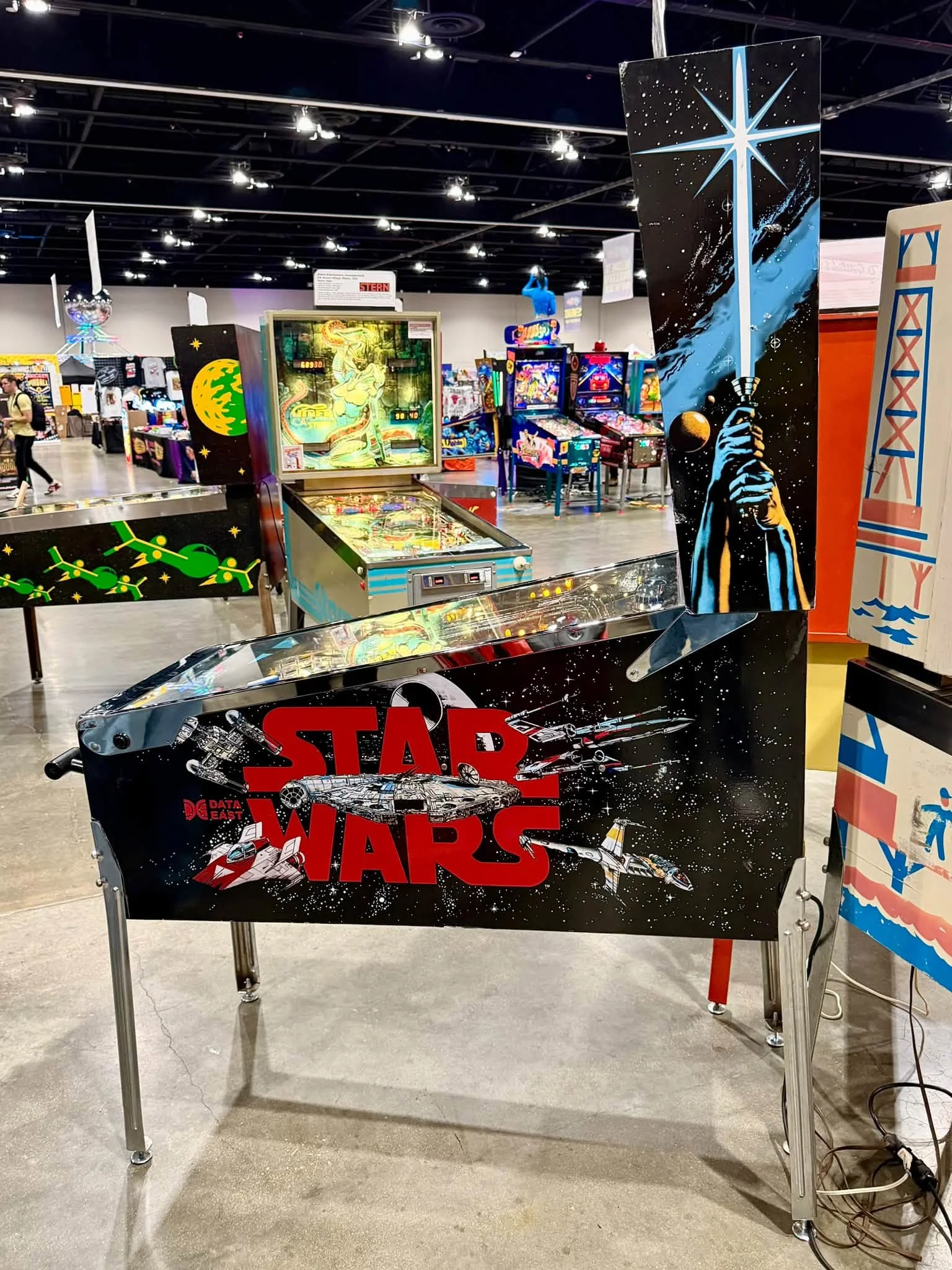
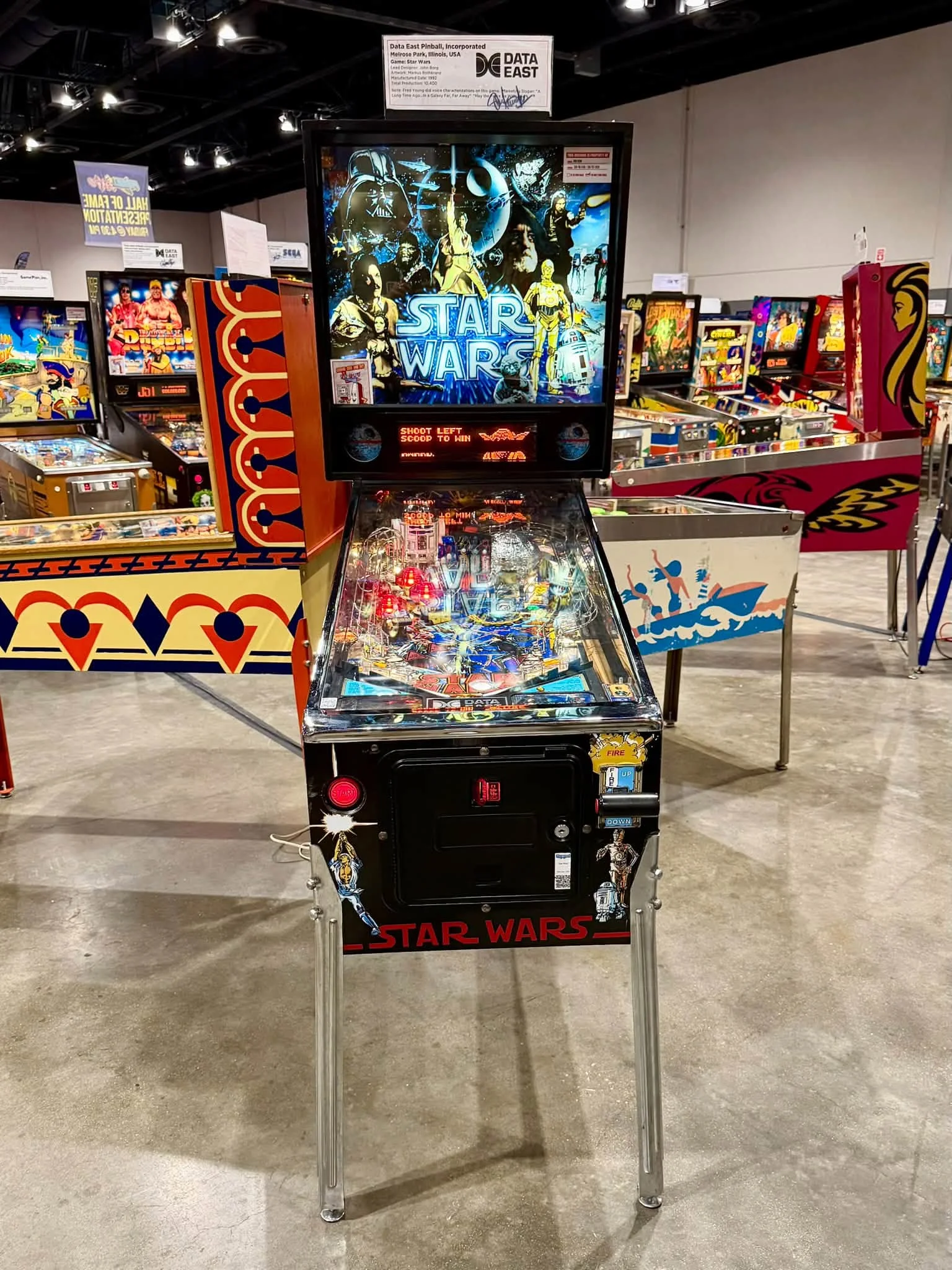
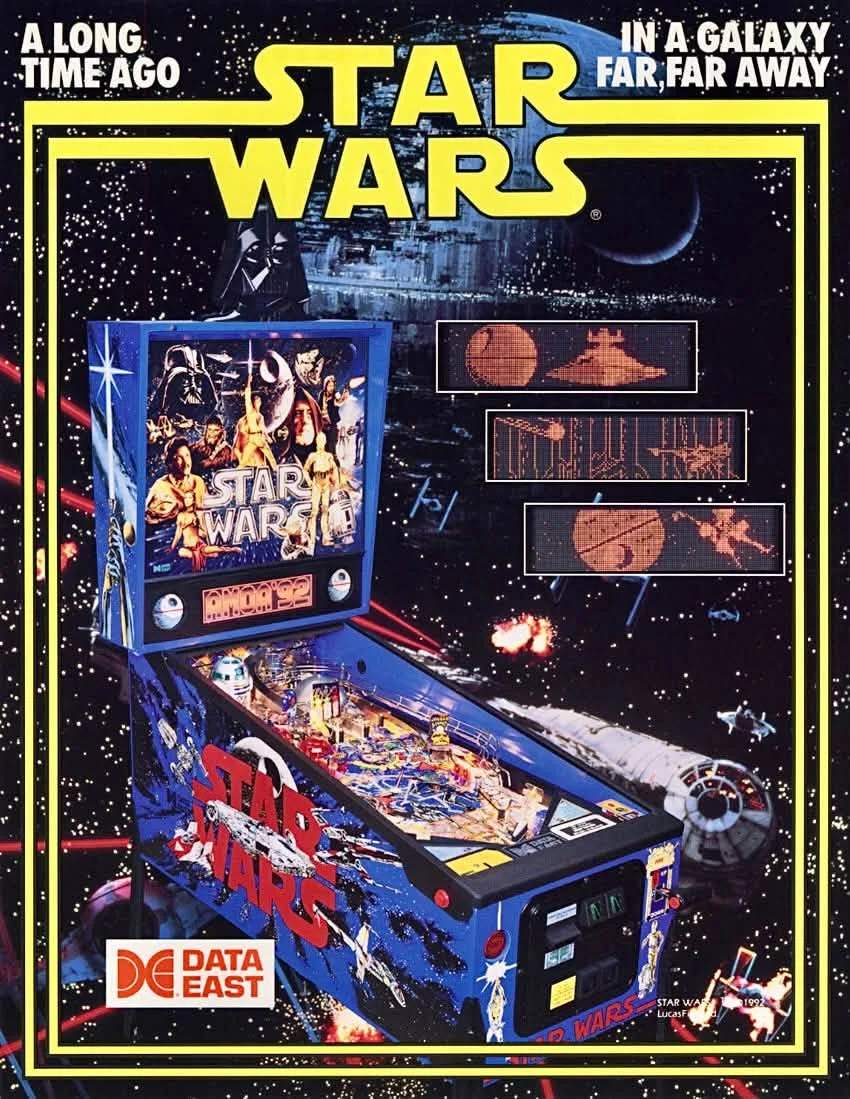
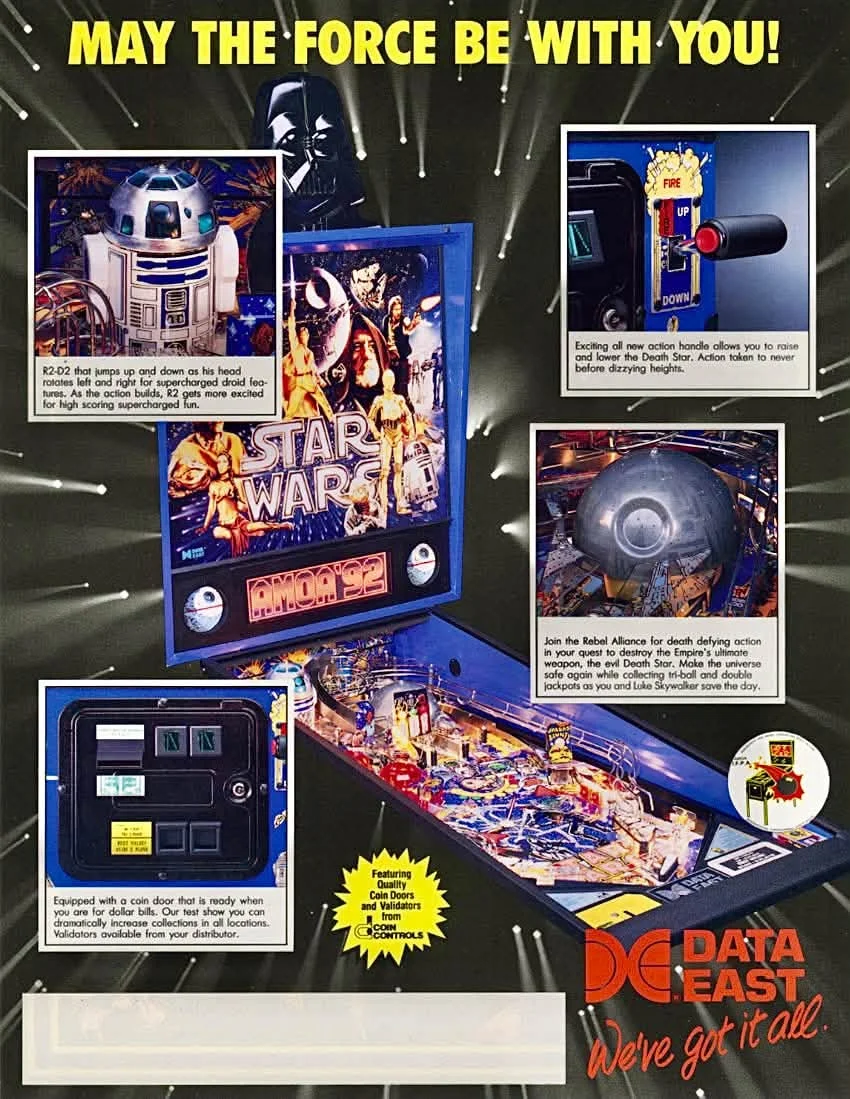
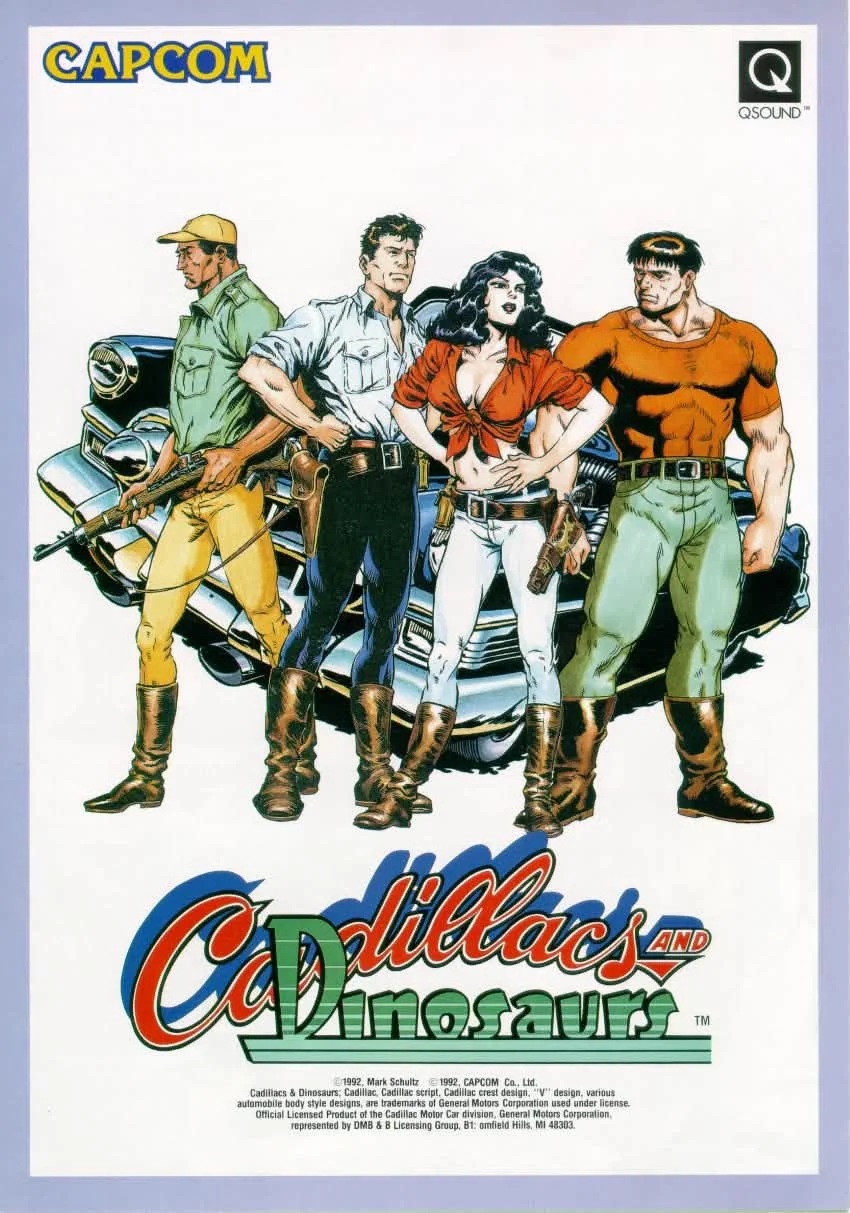
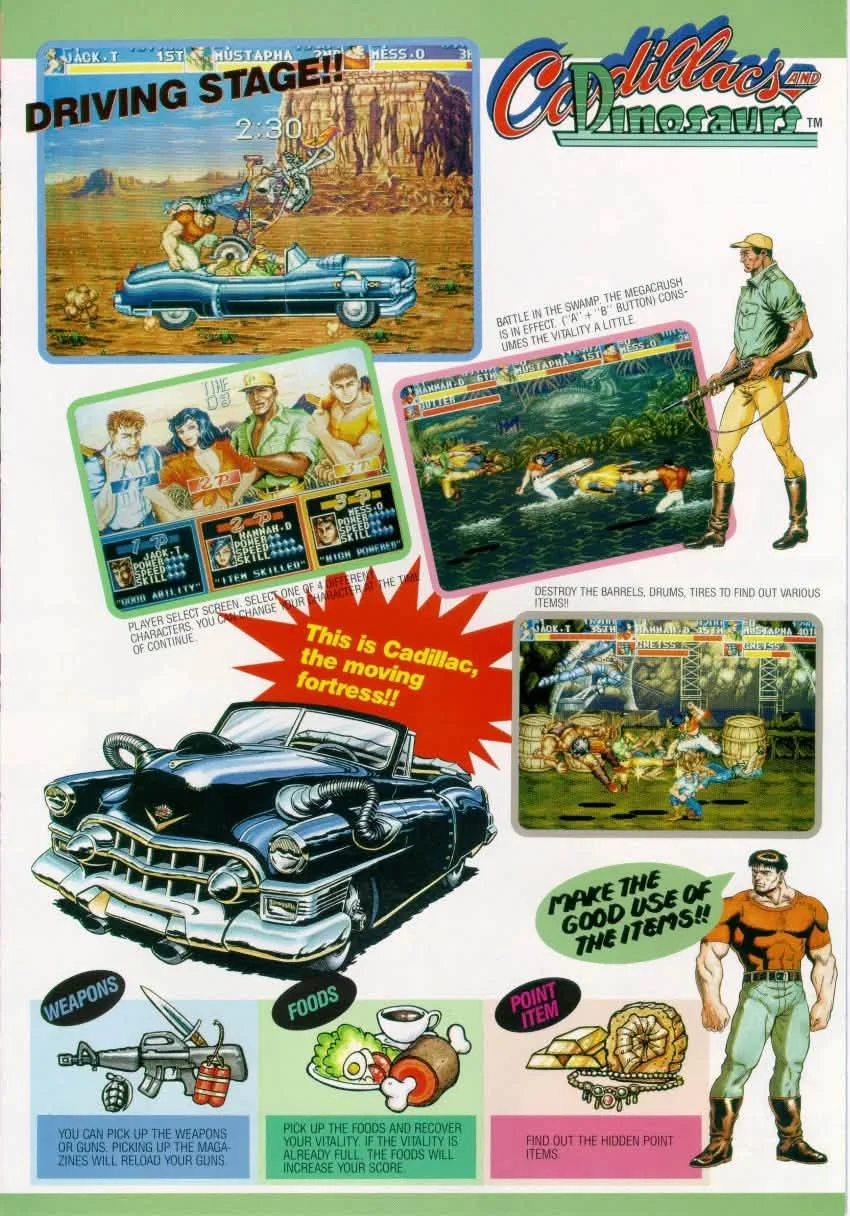
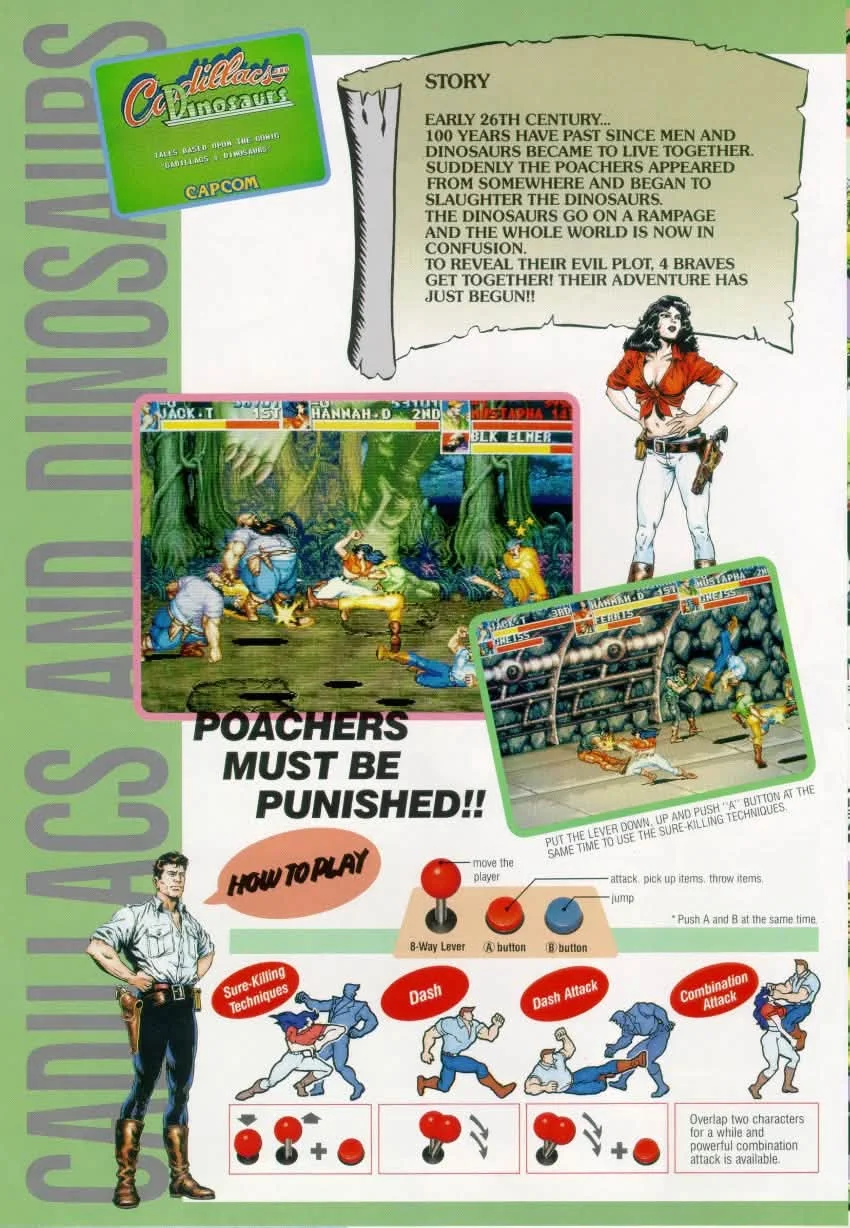
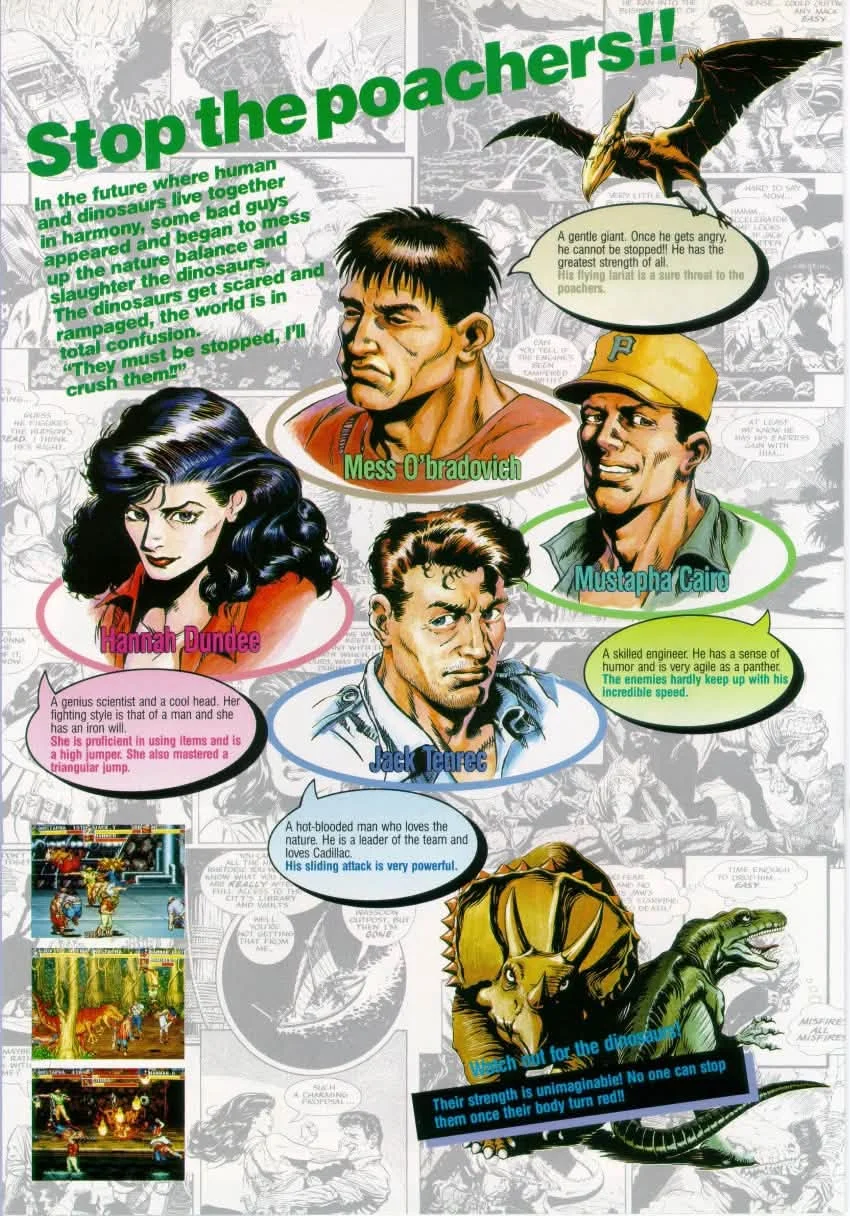
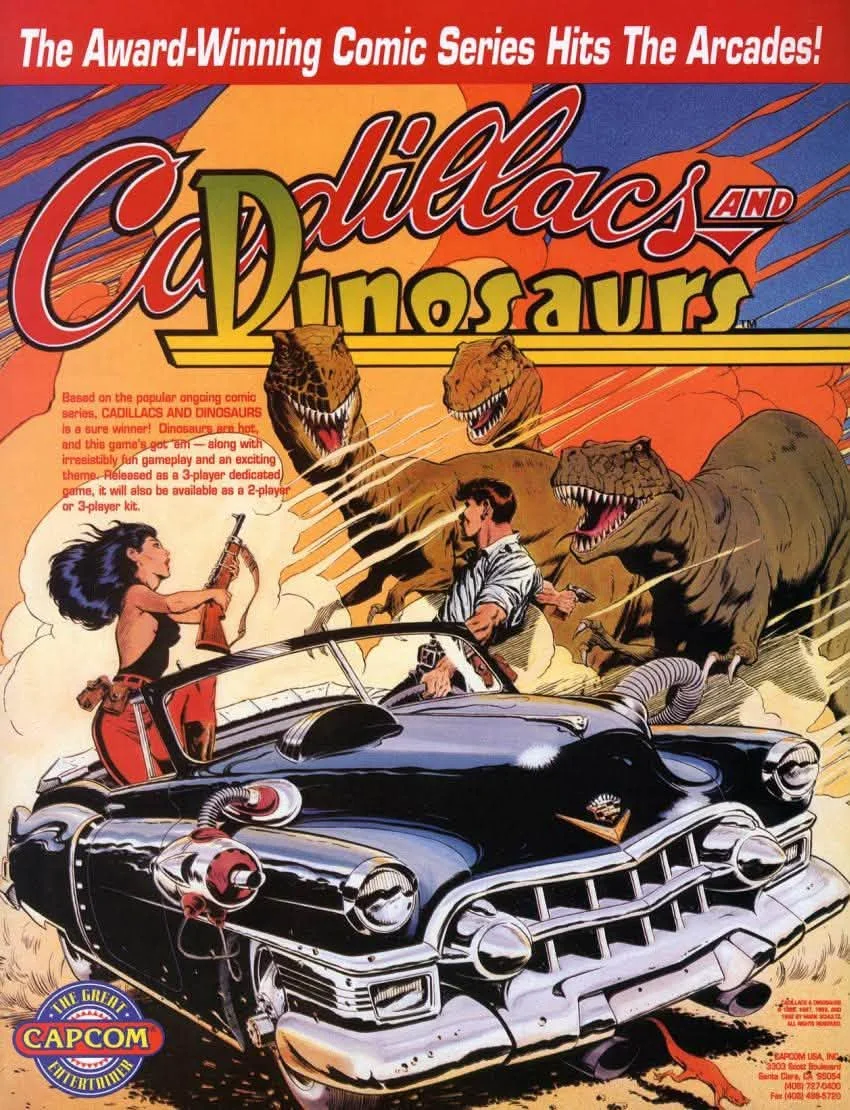
I've mentioned both here and on social media recently that I am going to step up my efforts to dig up cool stories about the development of pinball and arcade games from the past. Here's a couple that I've dug up this week: The secret history of Data East Star Wars pinball… Designer John Borg was quoted in an April 2007 Game Room Magazine article saying that his Data East Star Wars began as a dinosaur game called “Cadillacs and Dinosaurs,” which was later going to become Jurassic Park. The centerpiece was a dinosaur toy that bent over, picked up the ball in its mouth, turned and dropped it into a hole while multiple balls were put into play. As details came out about the upcoming Jurassic Park movie, Joe Kaminkow decided he wanted to work on that theme himself and he asked Borg to turn his dinosaur game into something else. Data East also held a Star Wars license, so Borg took that. He reworked much of the playfield, turned the dinosaur into the Death Star, and added the R2-D2 mechanism in the upper left. Star Wars is the machine Borg named as his favorite of his own designs. 1992 Data East Star Wars pinball machine. A whopping 10,400 units produced. Designed by John Borg with art by Markus Rothkranz, music / sound by Brian Schmidt and code by Neil Falconer and Lonnie Ropp. On a somewhat related note, “Cadillacs and Dinosaurs” was a fantastic 1993 side-scrolling beat ‘Em Up that sadly never made it into the recent “Capcom Beat ‘Em Up” game bundle on Steam and consoles. We need an official port of that game. My guess is that the licensing with Cadillac is holding it up.
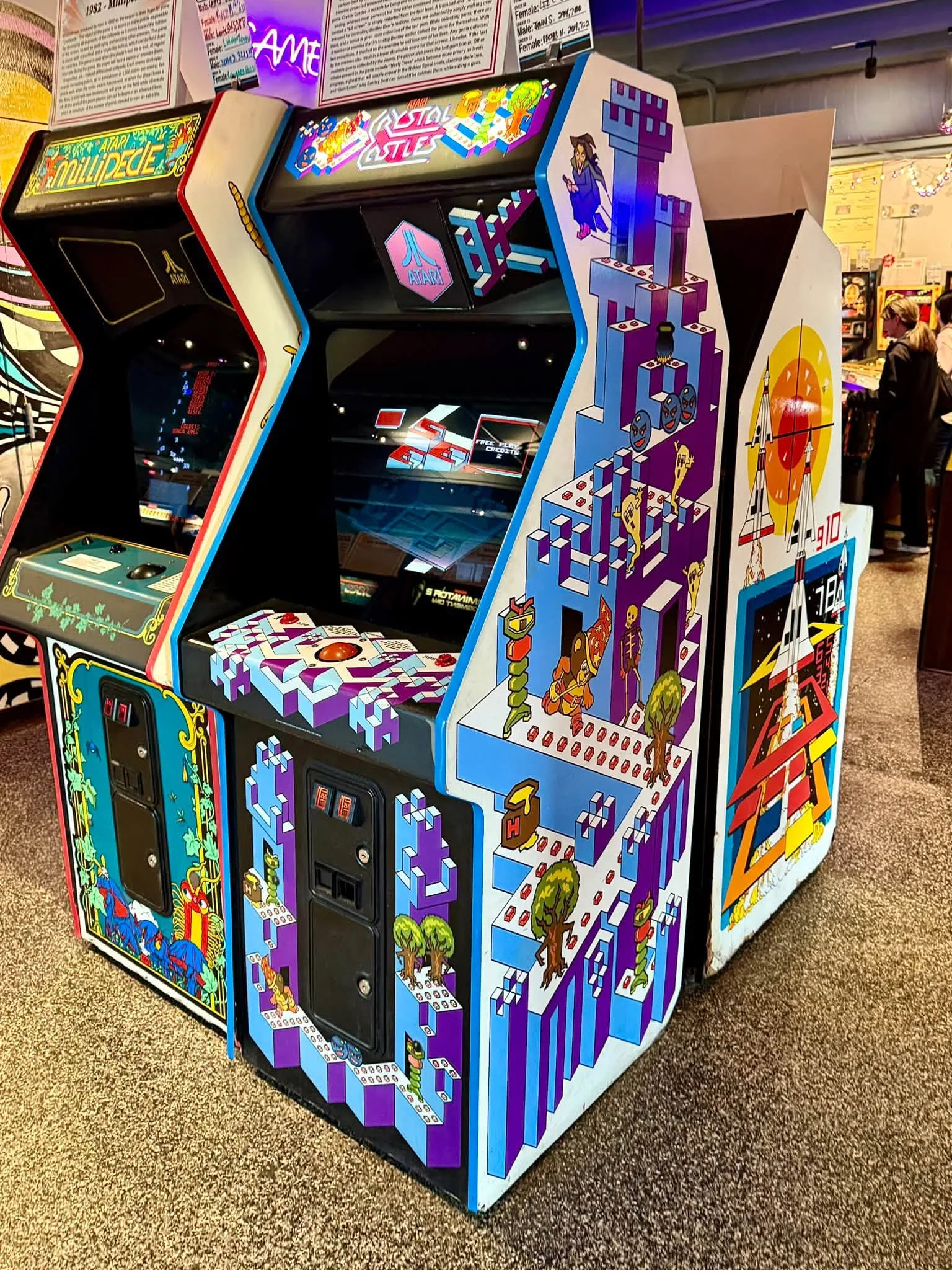
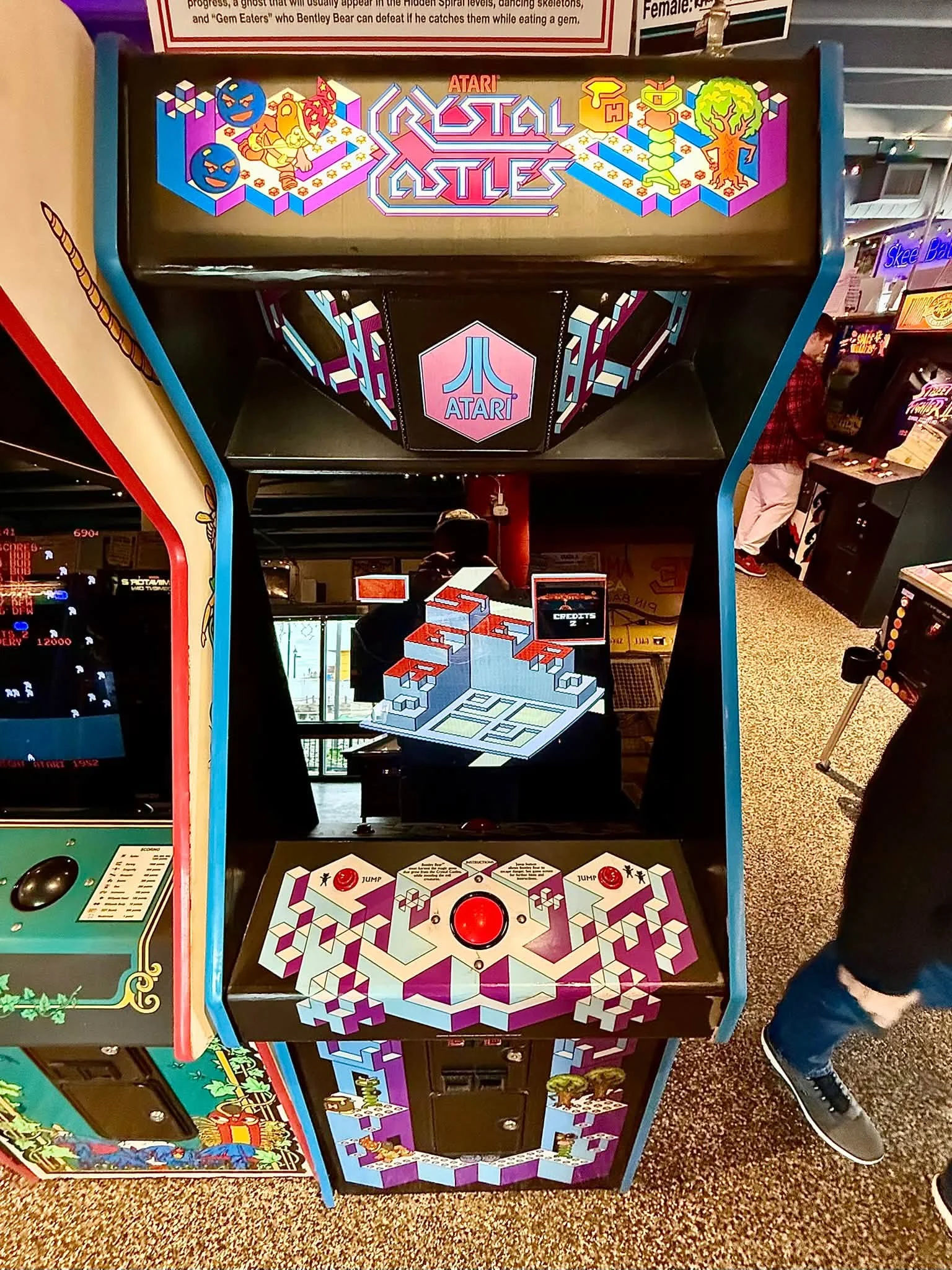
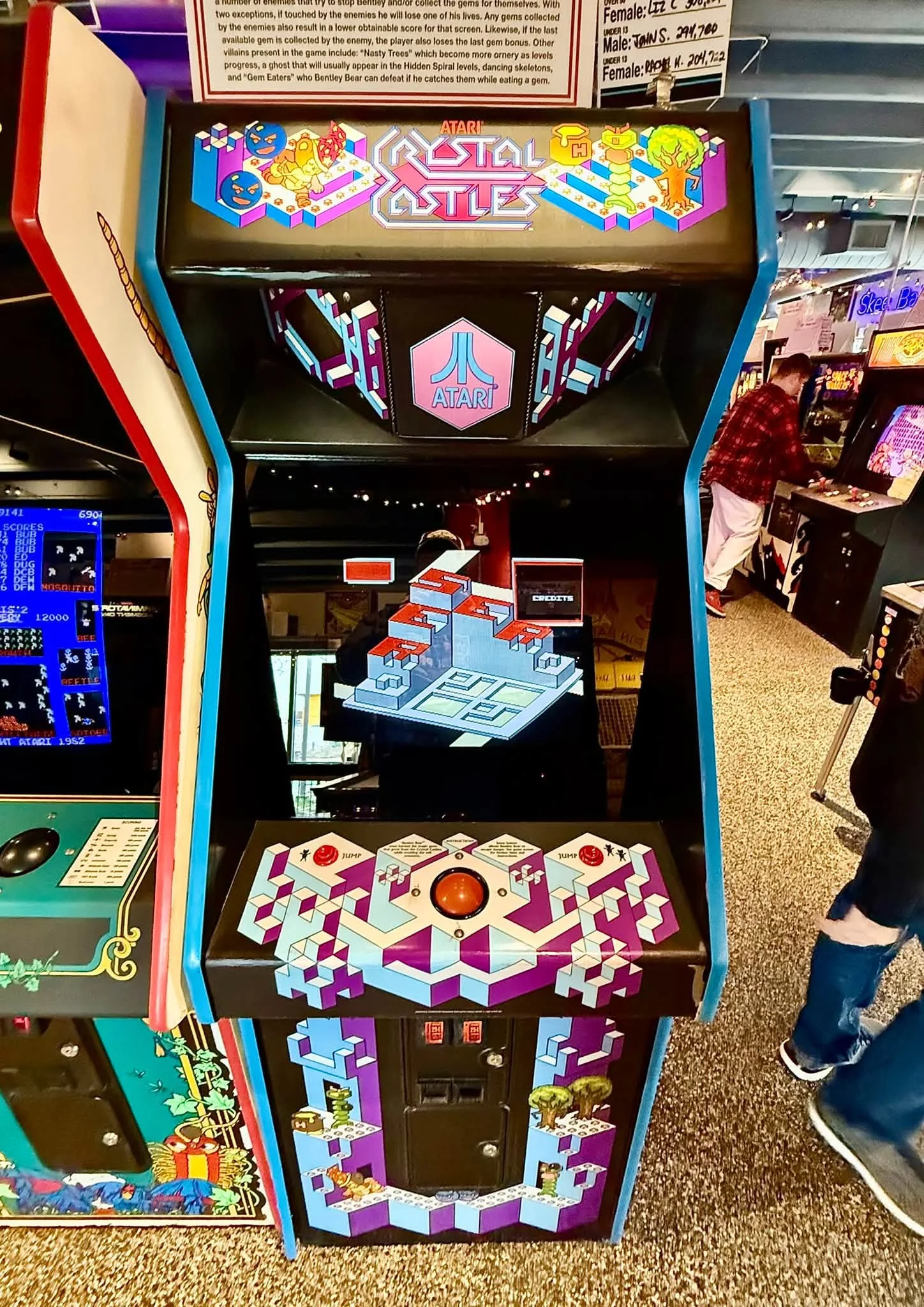
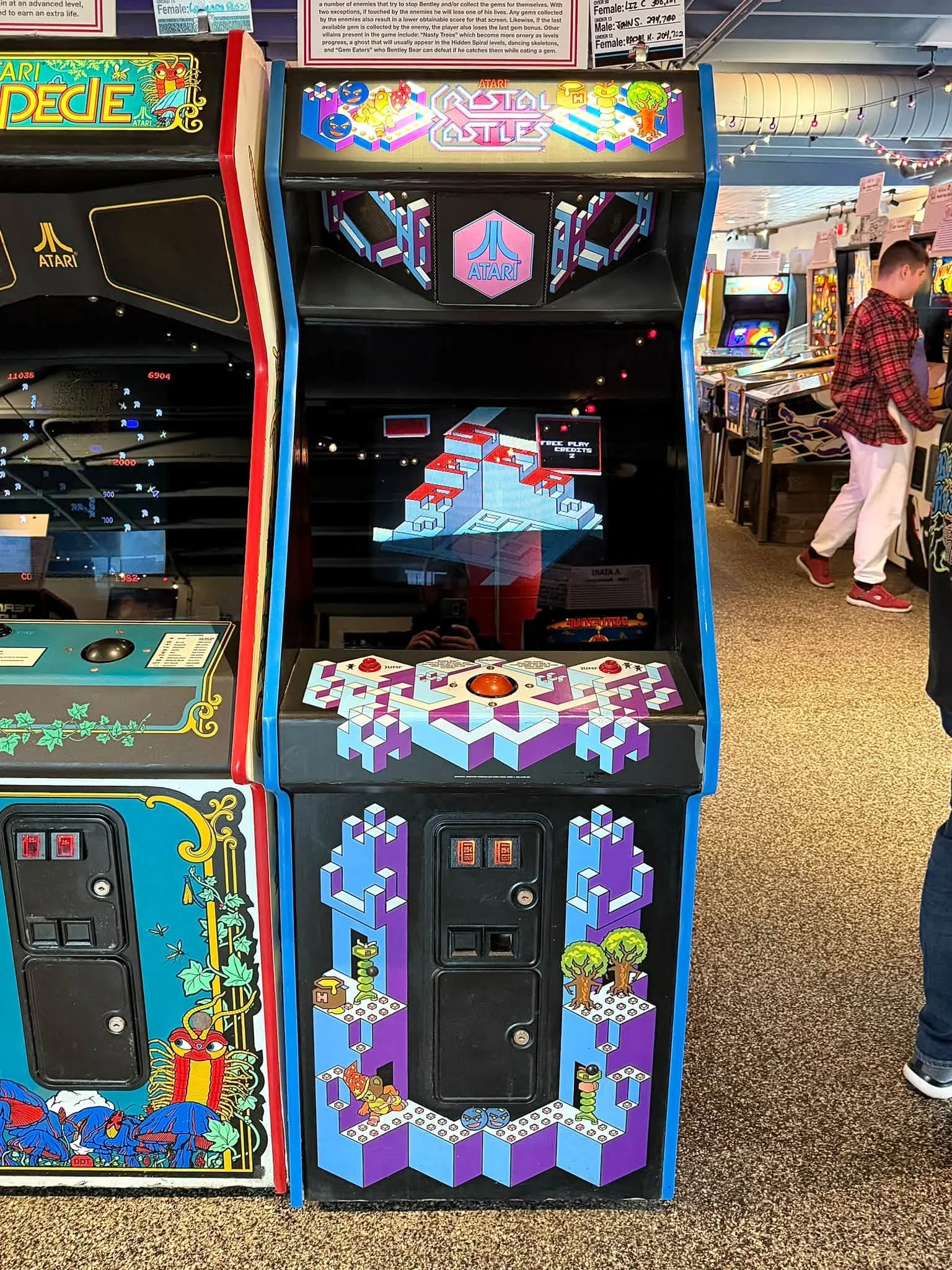
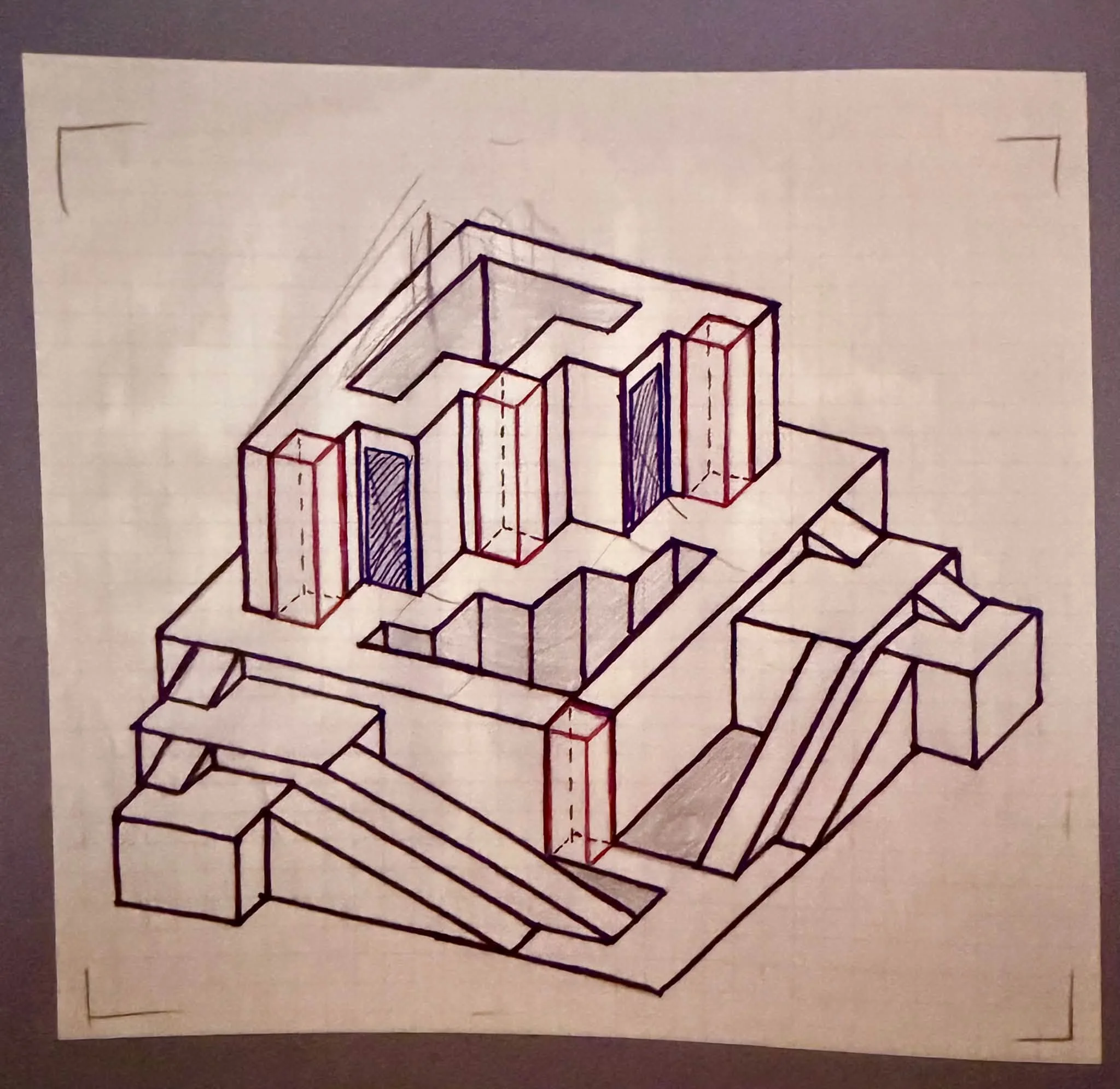
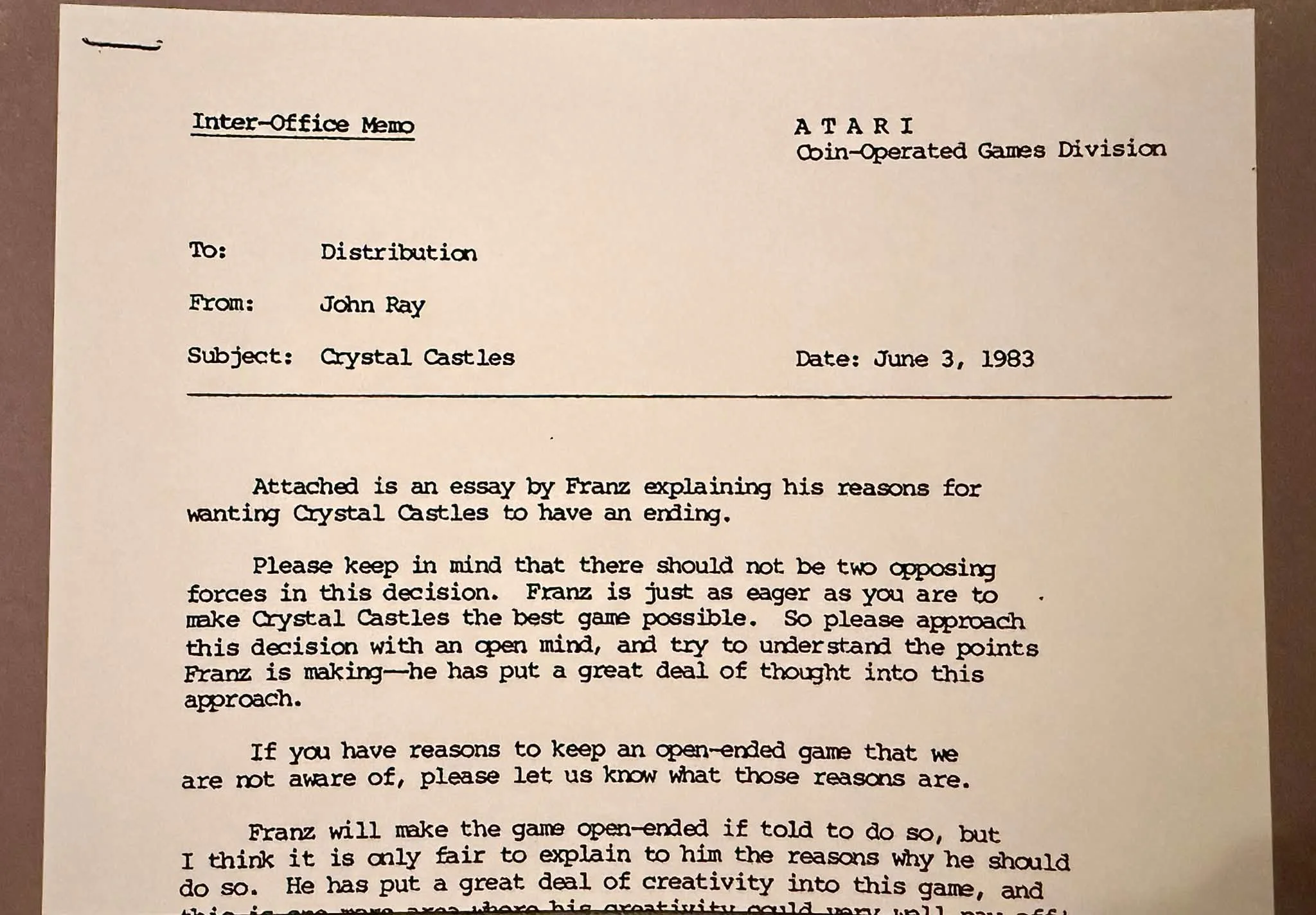
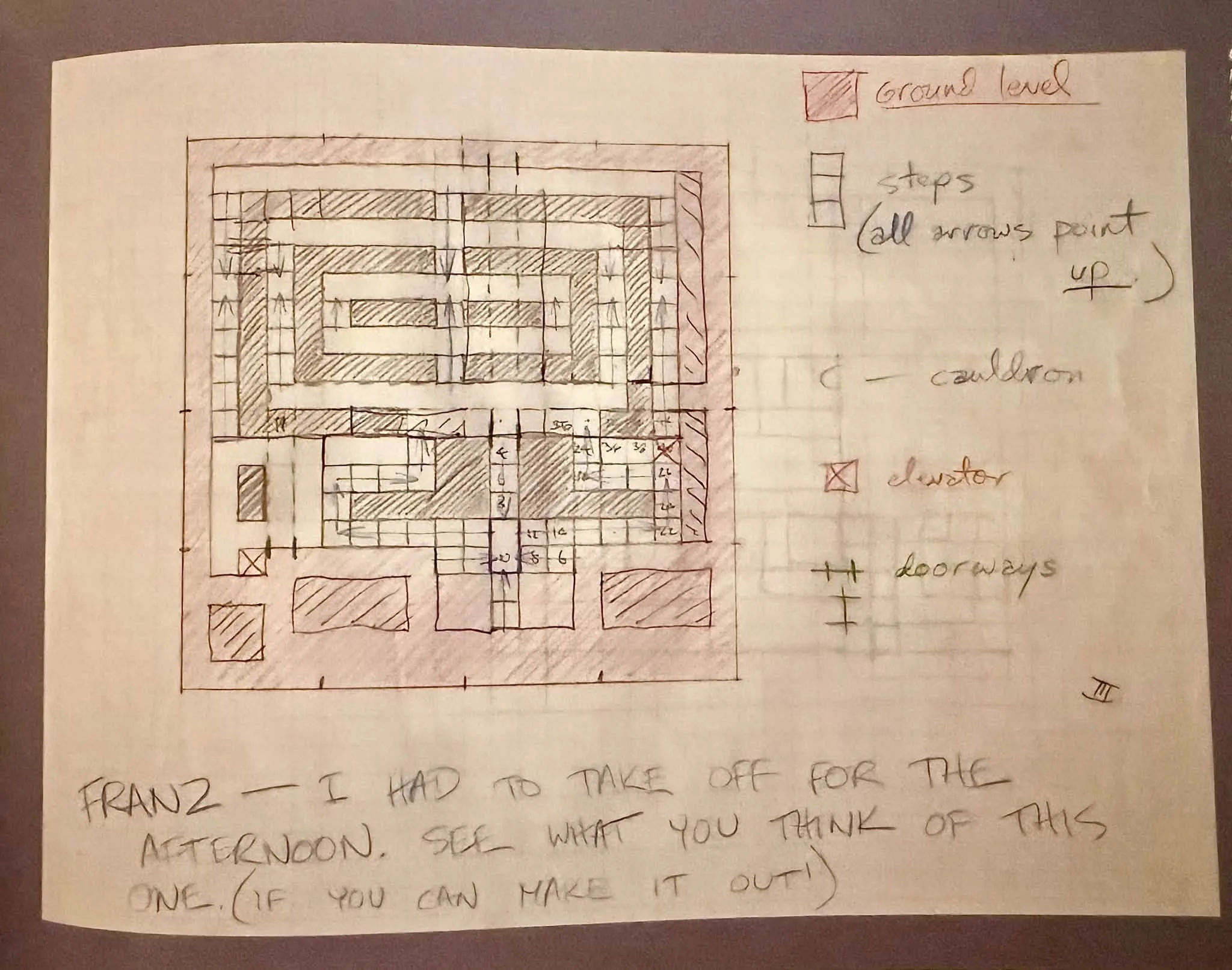
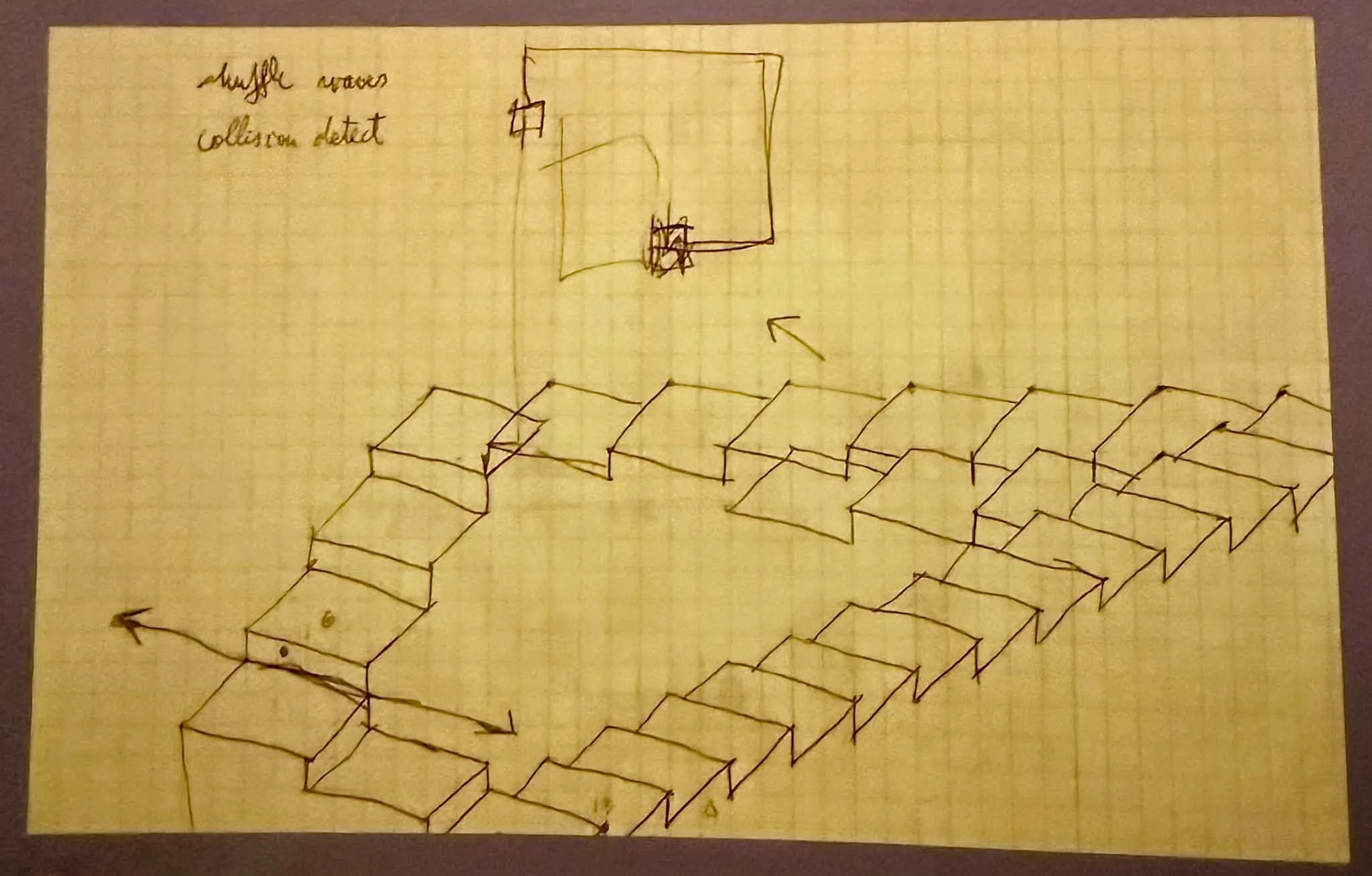
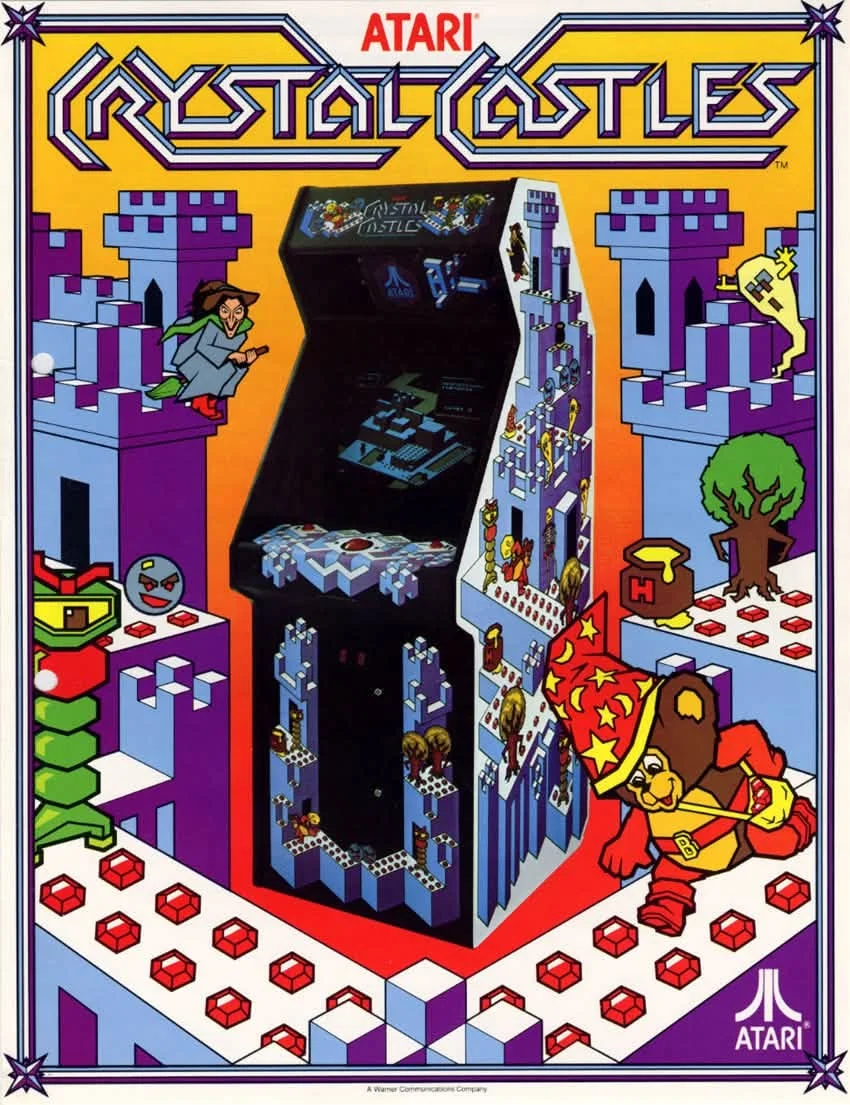
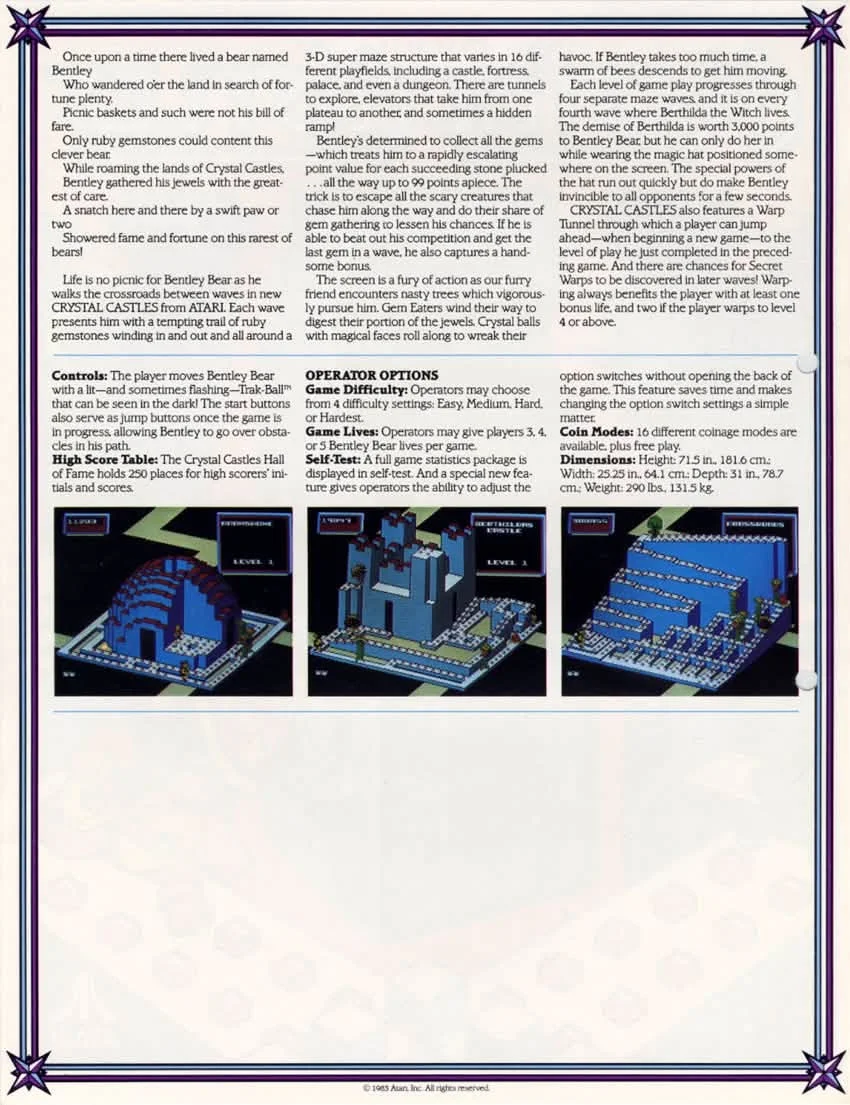
Almost shipped with a joystick, an E.T. lookalike and no ending - The History of Atari Crystal Castles 🏰 A new interview with designer Franz Lanzinger in details how much Atari’s Crystal Castles changed between its first concept and its 1983 release, including a control mandate from management, a scrapped lead character and a fight over whether the game should end at all. It started as a different project. Lanzinger says new Atari employees couldn’t pitch original games, so he picked “Toporoids,” a 3D Asteroids concept for a vector display, from the company’s approved-projects folder. He already had the Crystal Castles idea in mind and steered the project toward it as development went on. The hero was originally an alien. The first lead character resembled E.T., which Lanzinger says predated the film, and had an upside-down cone in place of legs so players could see exactly where he stood on the playfield. Pac-Man was an influence on the dot-collecting design. A team of five or six later settled on a fairytale theme with a bear, a witch and moving trees. Bentley had a different name. The bear was first called Bear Braveheart. According to Lanzinger, the name was dropped over concerns it could offend Native Americans, and an Atari marketing contest produced the name Bentley. Management ordered a joystick. Lanzinger designed the game for a trackball from the start, and Atari built a mid-sized trackball specifically for it. Near the end of the roughly year-long development cycle, management wanted all Atari games on joysticks and told him to convert it. He says he did, the game didn’t work, and he lost two weeks before the trackball stayed. The ending had to be defended. Management objected to the game having a finish, since marathon Asteroids sessions had generated free publicity. Lanzinger wrote a two-page memo arguing for an ending, and team leader John Ray circulated it with a June 3, 1983 cover memo asking colleagues to keep an open mind. Lanzinger kept his end screen. Field testing added levels. The first field test at the Galactican arcade earned well but didn’t rank number one, and players wanted more than the 12 mazes Lanzinger had built. Atari paired him with Dave Ralston, later co-creator of Paperboy, who drew additional mazes on paper for Lanzinger to code, including the more intricate stair-backed levels seen later in the game. After three more months of work, the second field test reached number one and the game went into production. This game has some of my favorite arcade art of all-time. SOURCE: The incredible new Bitmap Books The Arcade 1971-1999: The Stories Behind Classic Coin-Ops, Told by Their Creators. The location pictures are ones that I took at the Silverball Arcade in Asbury Park, NJ.