Taxi Pinball at 38: How a Formula 1 Game Became Williams’ Celebrity Cab Ride
By knapparcade
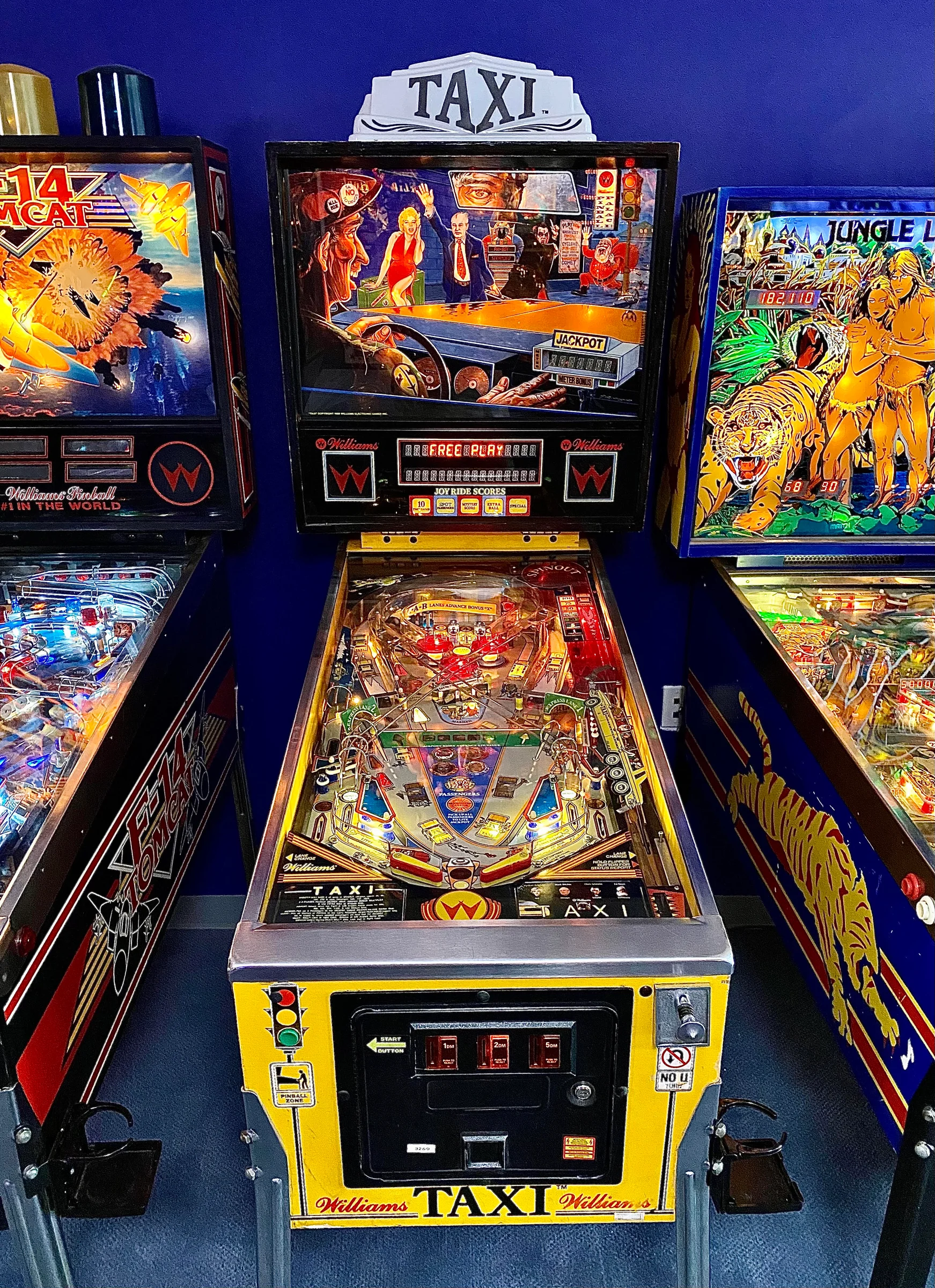
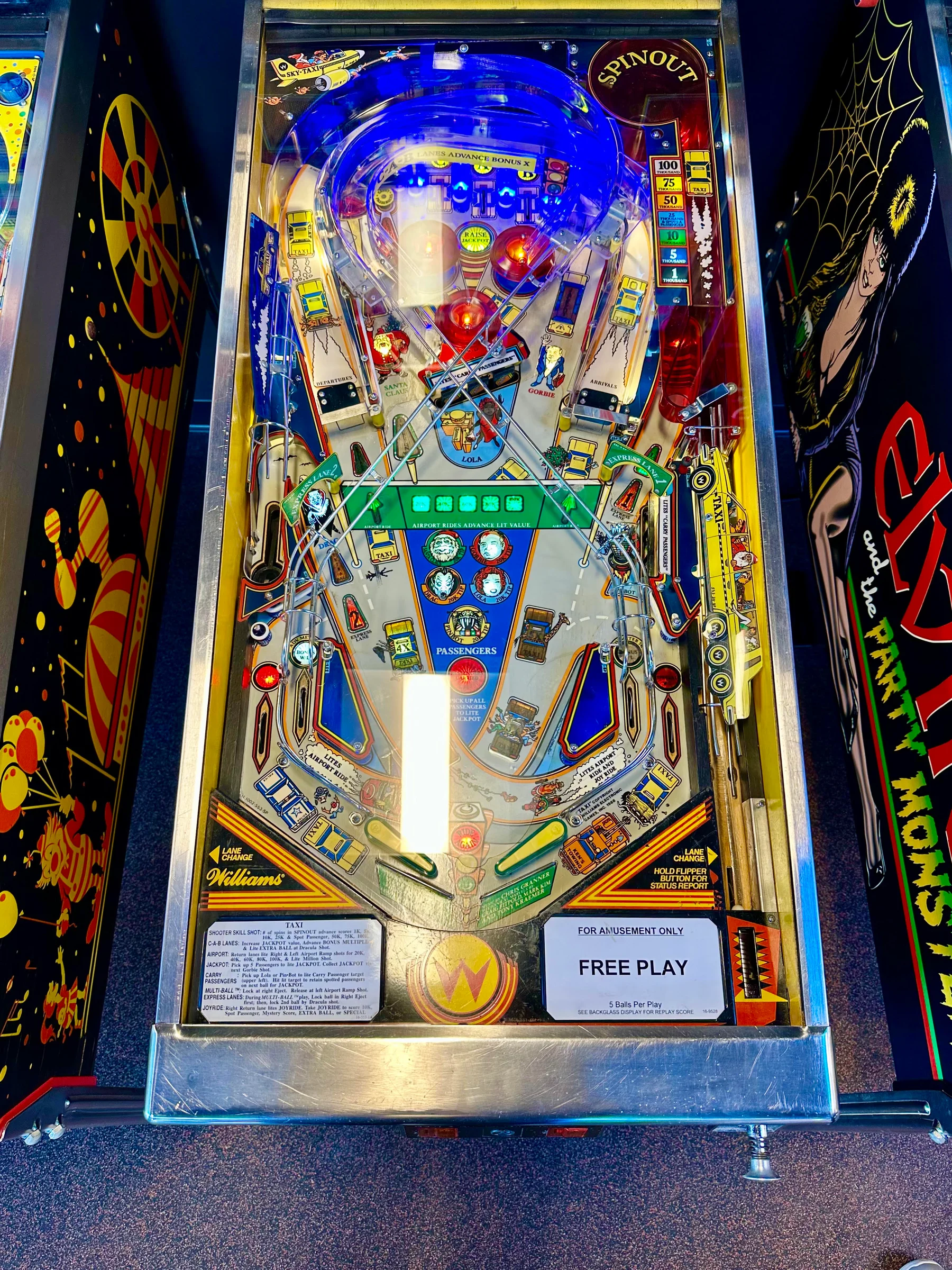
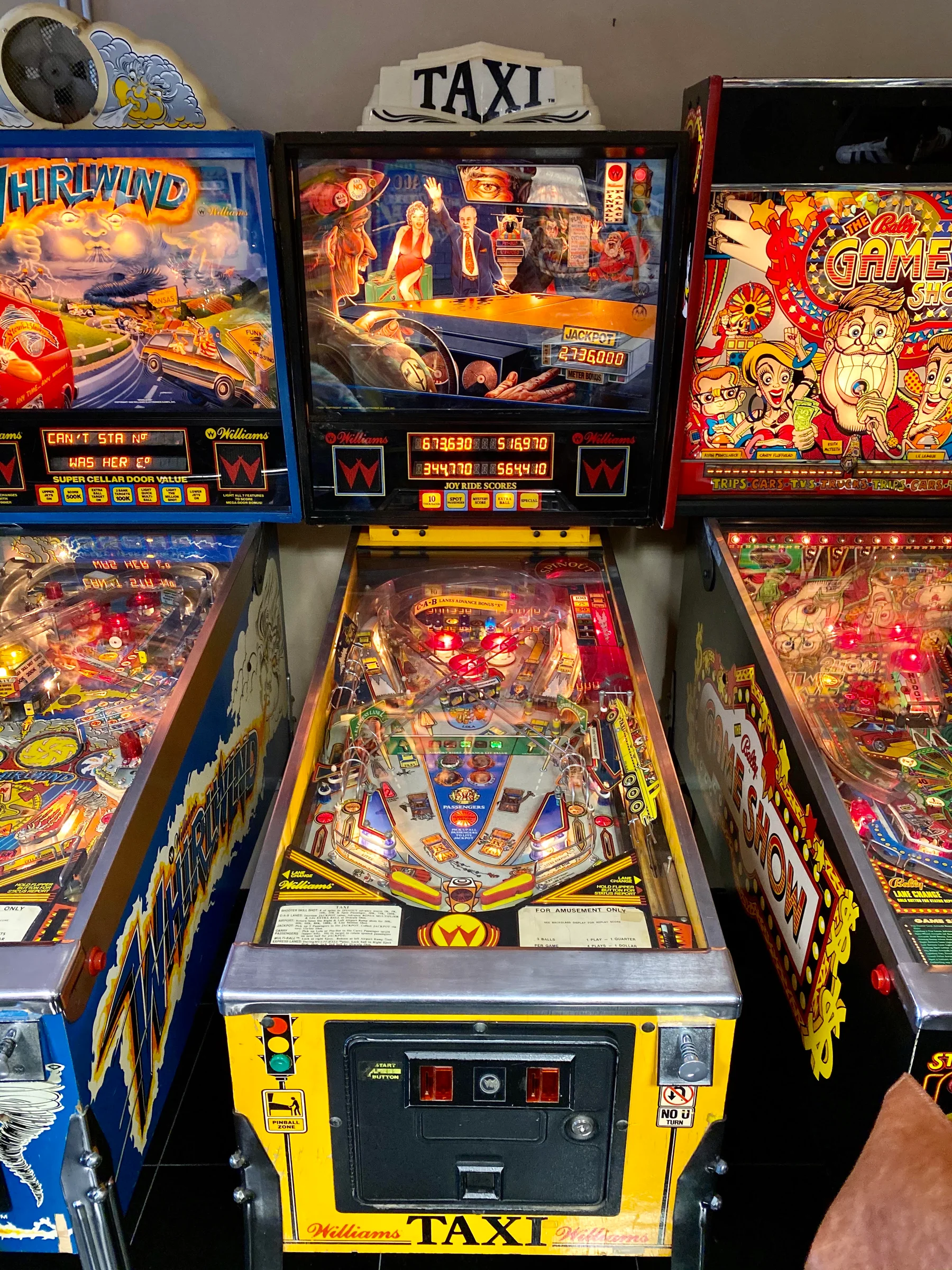
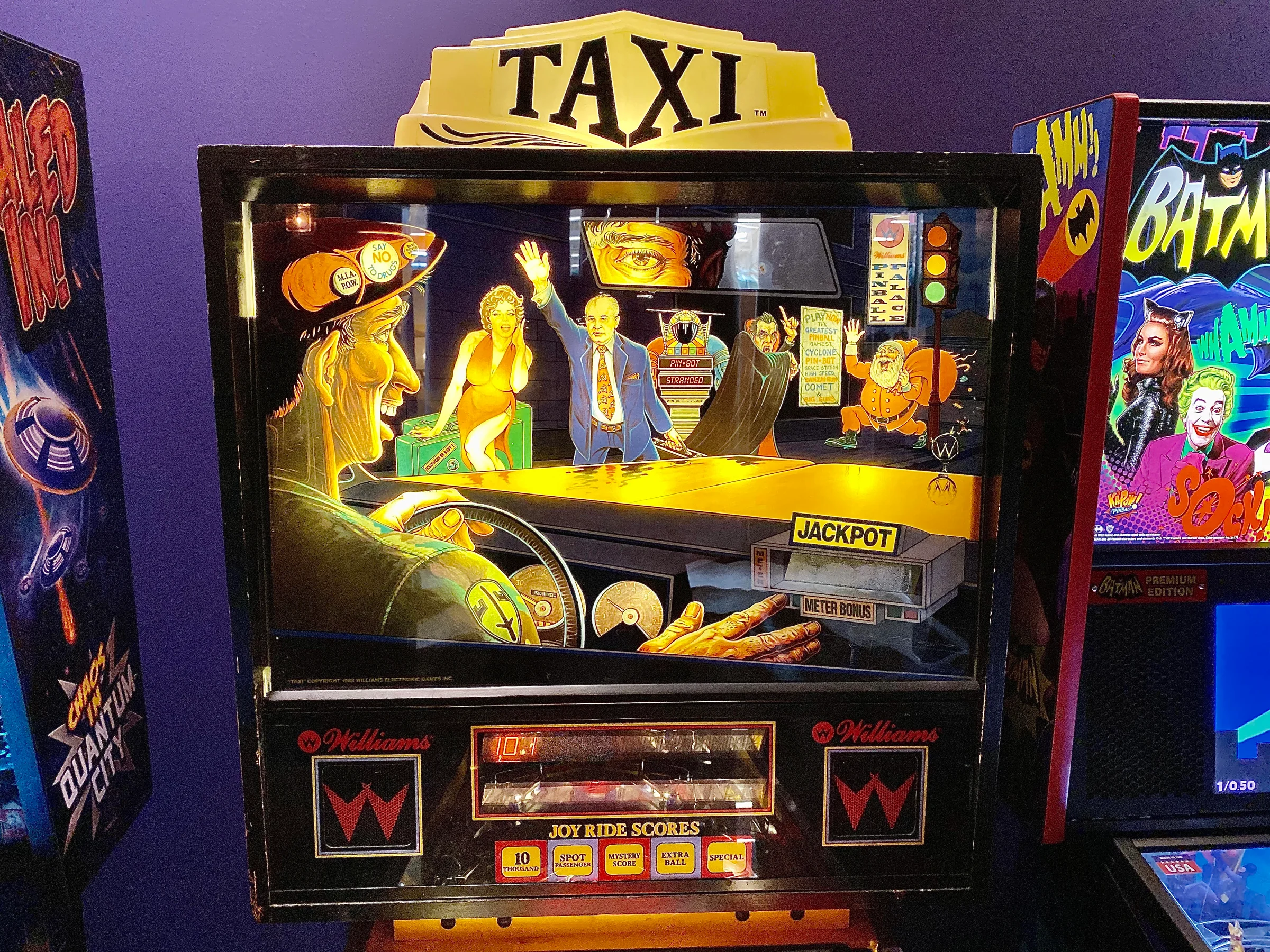
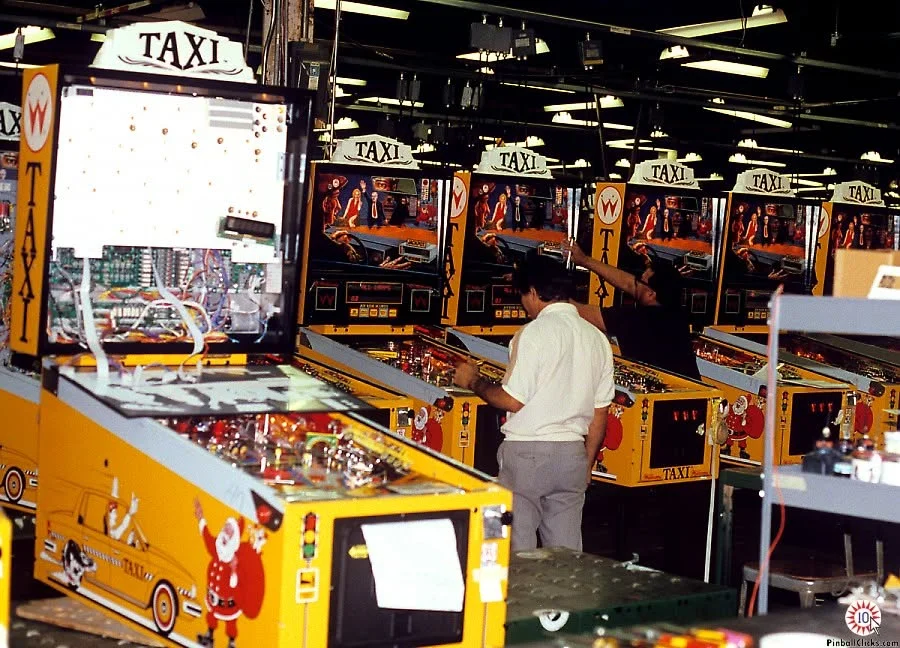
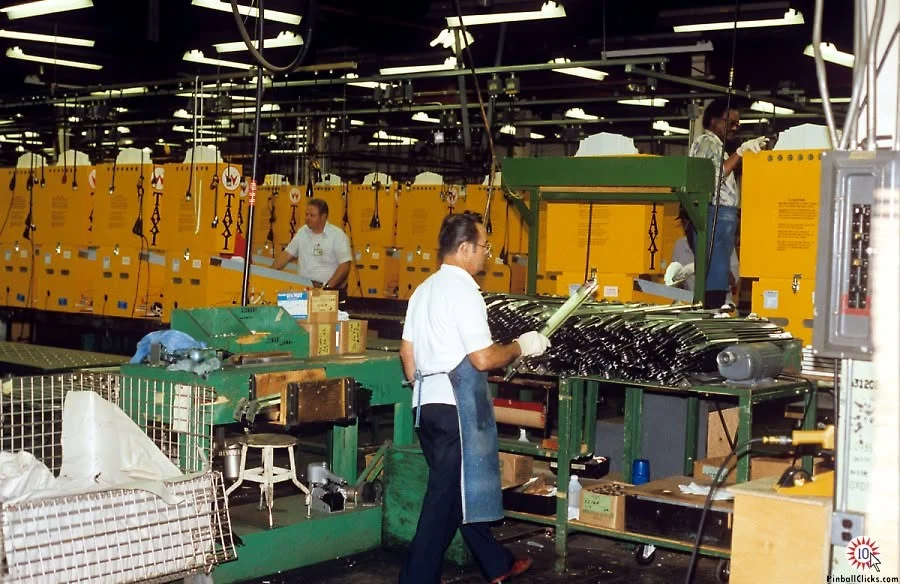
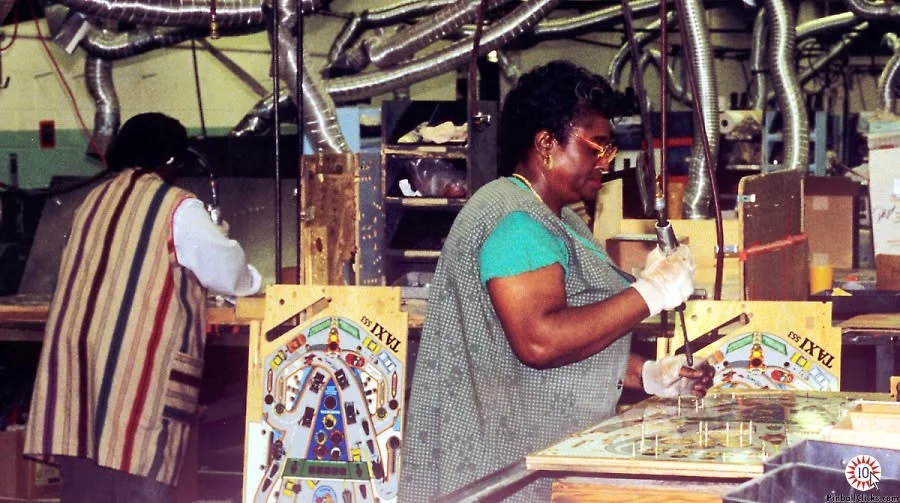
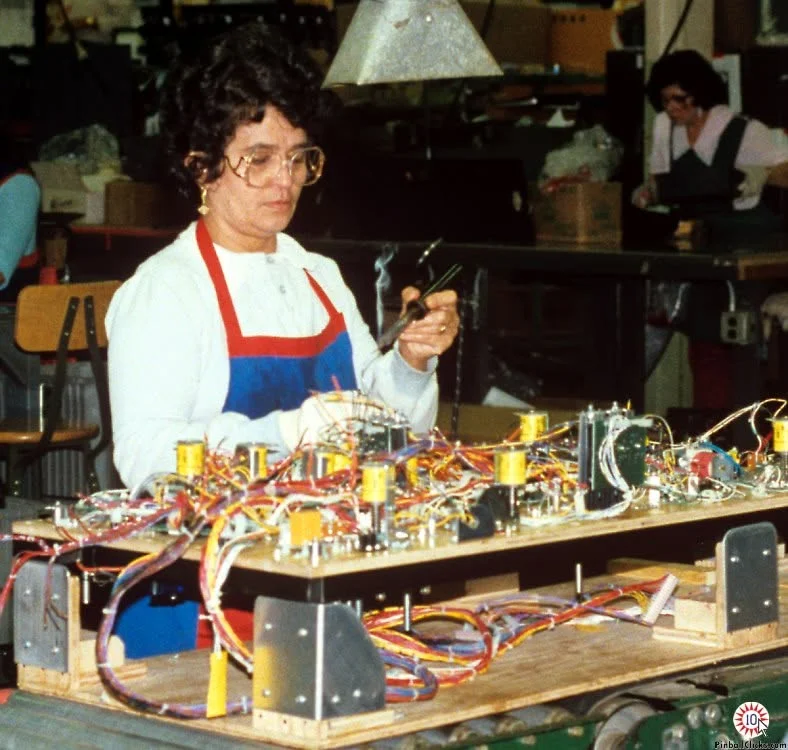
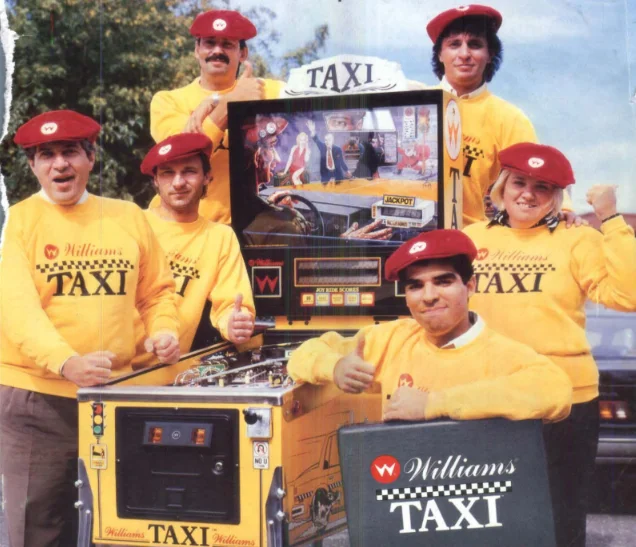
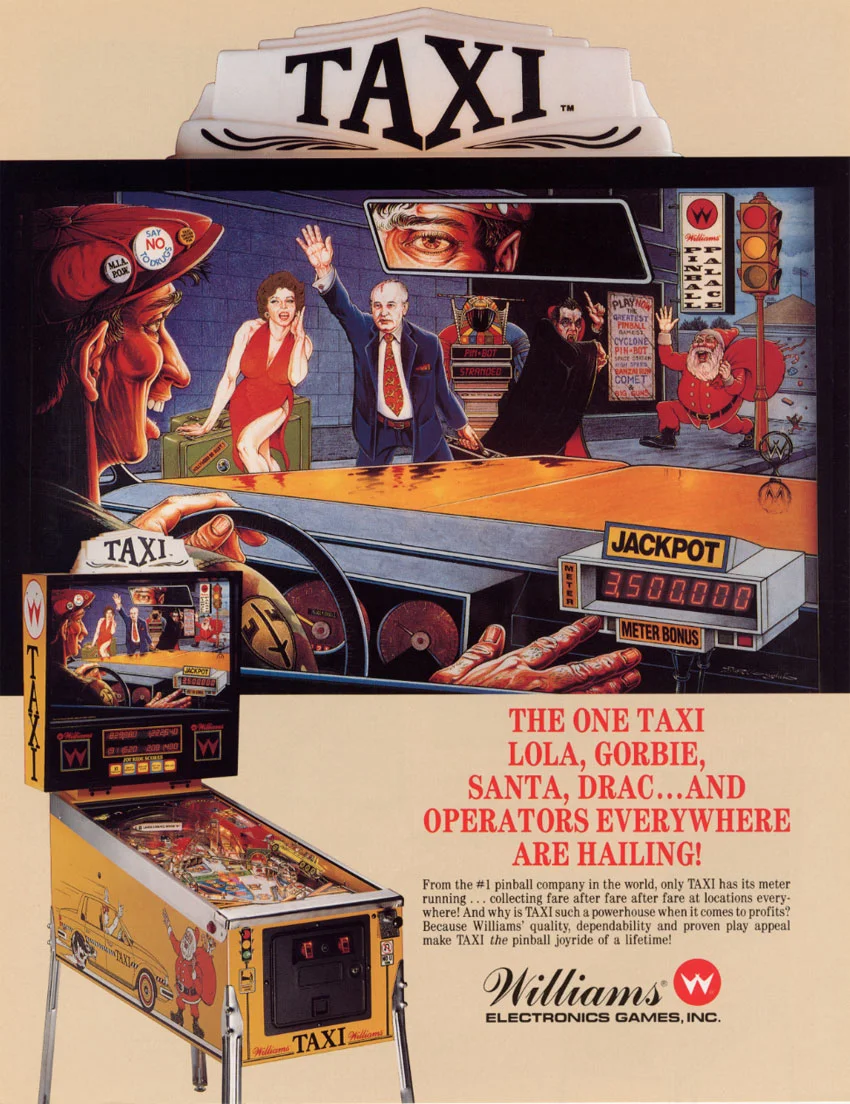
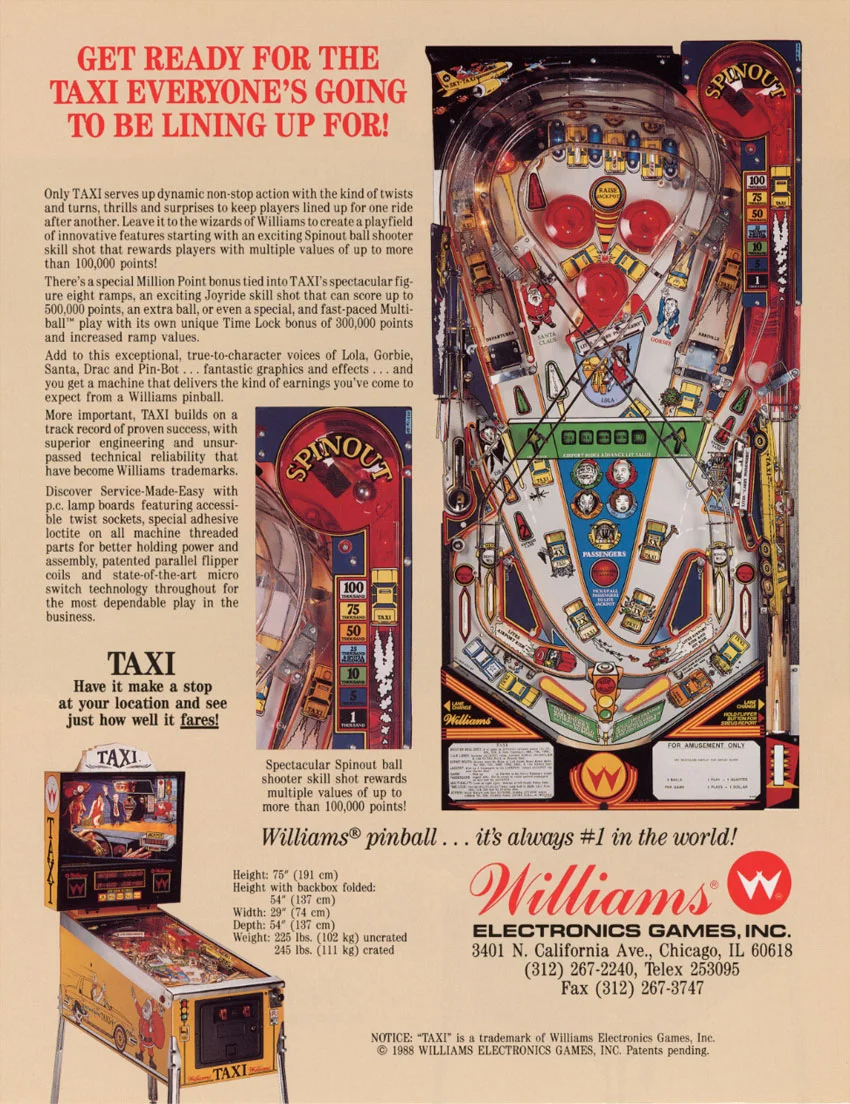
Williams’ iconic 1988 pinball machine Taxi was created by an all-star cast of legendary industry figures, including Mark Ritchie on design, with Python Anghelo on art, Ed Boon on code and Chris Granner on music. Williams built 7,303 units, which made it the biggest production run of Mark Ritchie’s career up to that point. It didn’t start out as a taxi game, though, and the Marilyn Monroe character it shipped with didn’t last long. It started as Grand Prix II Ritchie first planned to create a Formula 1 racing game, a sequel to Steve Kordek’s 1976 Williams Grand Prix. Then Gottlieb Premier unexpectedly released Victory, its own Formula 1 game, and Ritchie dropped the idea. By then most of the playfield was already drawn. Only the catapult and the Spin Out skill shot were missing. The team looked potentially making at an airport or airplane theme next. The final idea came from Python during a brainstorming session at a bar. He suggested making the player a cab driver and calling the game Taxi. Ritchie didn’t see it at first. Python argued that people everywhere use taxis and the word is spelled the same in most countries, so the theme would work in every market Williams sold to. Ritchie came around. Picking the passengers The passengers came together quickly. Python had already put Ronald and Nancy Reagan on the Cyclone backglass, riding the roller coaster, so Soviet leader Mikhail Gorbachev was the first pick. In the game he’s called “Gorbie.” Ritchie added Dracula and Marilyn Monroe, and Python added Santa Claus and Williams’ own Pin•Bot. Python also pitched turning the drop targets into the Kennedy brothers, which you’d knock down before driving Marilyn to the airport. Not surprisingly, the rest of the development team thought that went too far. Ritchie’s wife, Trudy, voiced Marilyn, and Ritchie says she got it in about two takes. She also did voices for Diner and Bally’s Truck Stop. Python put Ritchie himself on the side of the cabinet as the cab driver, with his dog Maggie running alongside. Python didn’t tell Ritchie until the art was finished. New features Taxi was Ritchie’s first game with crossover ramps, each feeding the ball to the opposite flipper. It also introduced a powered one-way gate, which is a standard gate lifted by a solenoid. Python had to fight to get a jackpot meter in the backbox. Ritchie believes that extra display is part of the reason why Williams revised its board set to System 11B. The game was also designed in a different color. The Spin Out ramp and pop bumper caps were originally blue, but production games shipped with red. Marilyn becomes Lola Williams built 200 sample games, and most went to test markets in Europe, mainly France, Germany and Italy. Around then, Williams licensing director Roger Sharpe asked whether anyone had cleared the rights to Monroe’s likeness. Nobody had, and her estate wanted to be paid. Williams worked out a temporary arrangement and changed the character in about six weeks. Marilyn went from blonde to brunette, and Ritchie renamed her Lola after the Kinks song. The backglass, playfield art and advertising all had to be redone. Sharpe says he still has some of the Marilyn brochures that were supposed to be destroyed. Those 200 sample games are why Marilyn Taxis are so sought after by collectors today. Taxi in the trade press Taxi was on the cover of RePlay Magazine’s November 1988 issue. The design team and Williams salespeople Marty Glazman and Lesley Ross posed around the game in yellow Taxi jumpsuits and red caps. Next to the cover photo, RePlay joked that this wasn’t the cast of the TV show Taxi, just “Gorby on the backglass and power on the playfield.” The magazine reported that the game had been shipping since the beginning of October and was being praised for its art, sound and play appeal. The same issue previewed the Williams booth at AMOA Expo ‘88, where Taxi was the main pinball attraction. It was shown in an “AMOA garage” next to Williams’ first new video game since Joust II. The preview highlighted: - The Spin Out ball shooter - The Million Joyride skill shot - Multiball - The celebrity voices RePlay also listed a couple of features for operators: twist sockets on the lamp boards and parallel flipper coils. Williams president Ken Fedesna told the magazine Taxi was in full production. He said it had given distributors a strong seller in early October, when equipment sales in general were unusually slow. Players and operators liked it. In the same issue, one operator wrote that he laughed out loud every time Marilyn squealed “Oh, Taxi!” Taxi debuted at #2 among pinball machines in RePlay’s operator Equipment Poll, behind Ritchie’s own Cyclone. Images of Taxi on the production line at Williams' factory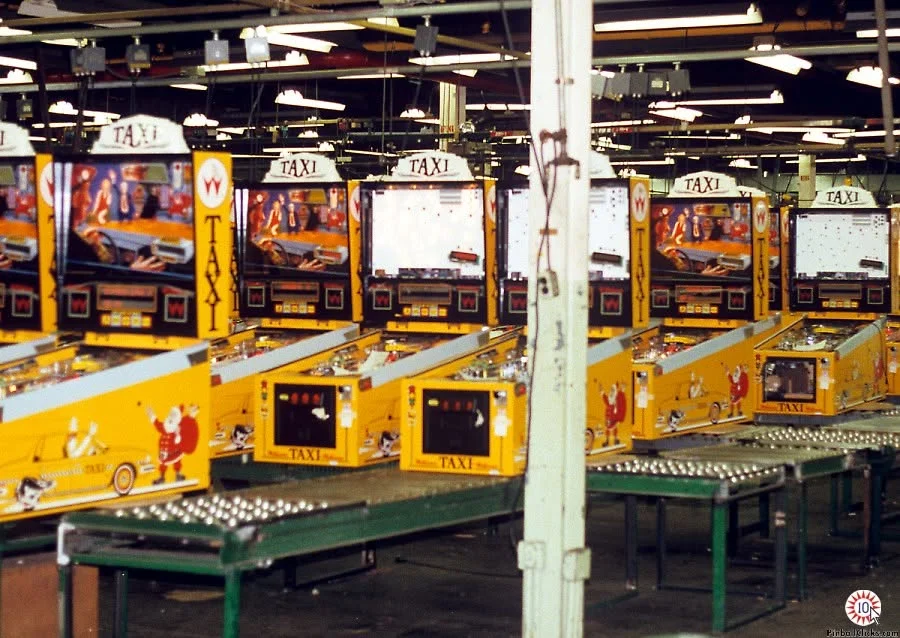
 The RePlay Magazine cover image
 A magazine ad for the game from the time
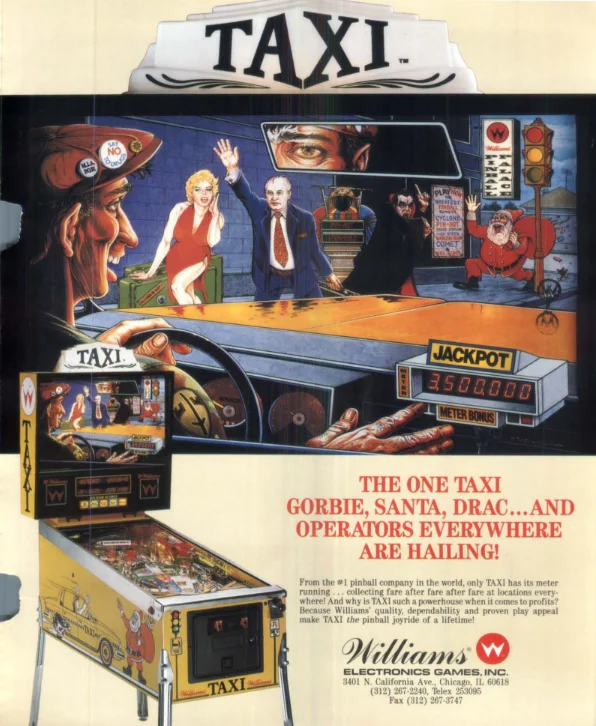 The game flyer
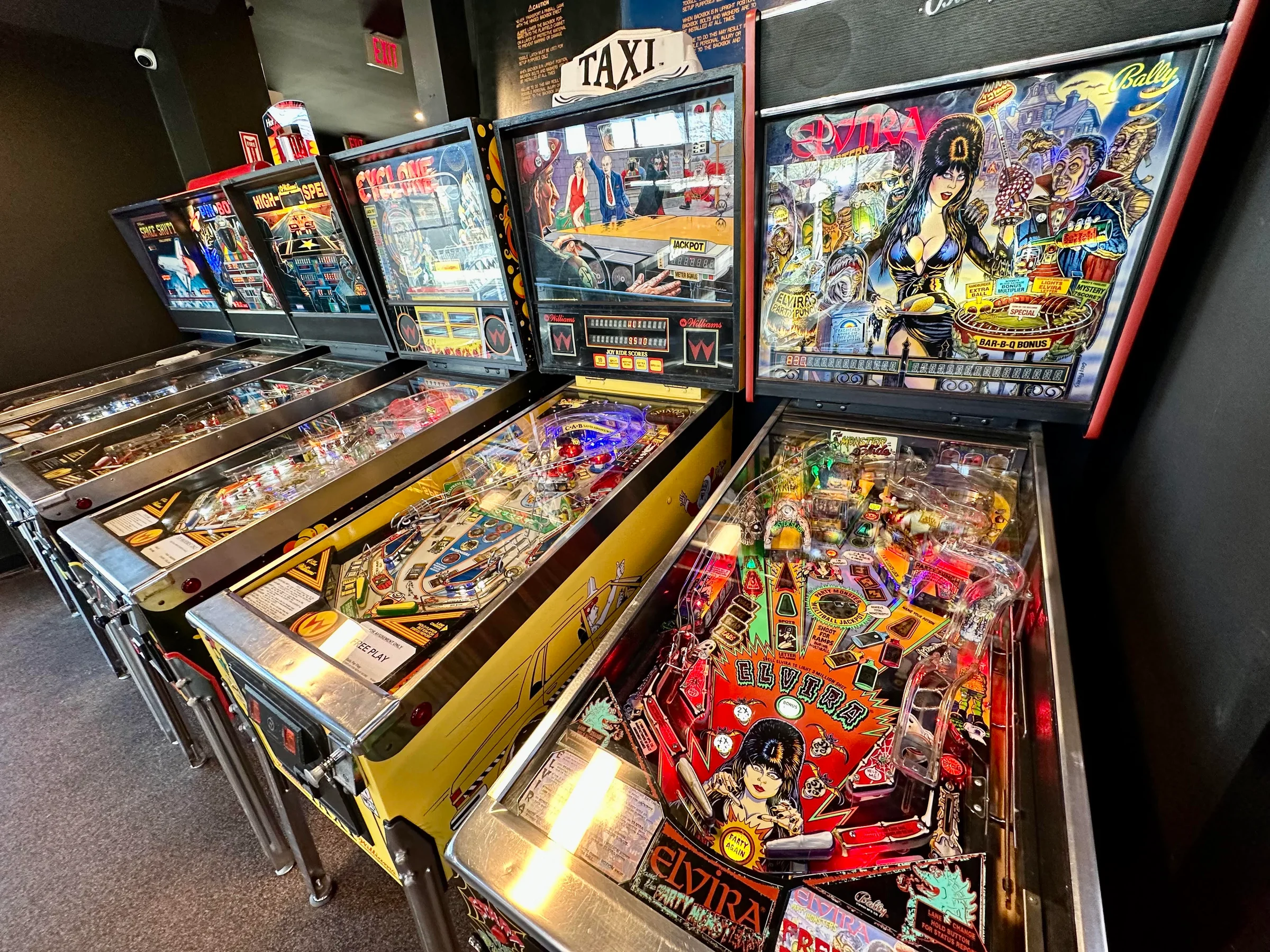
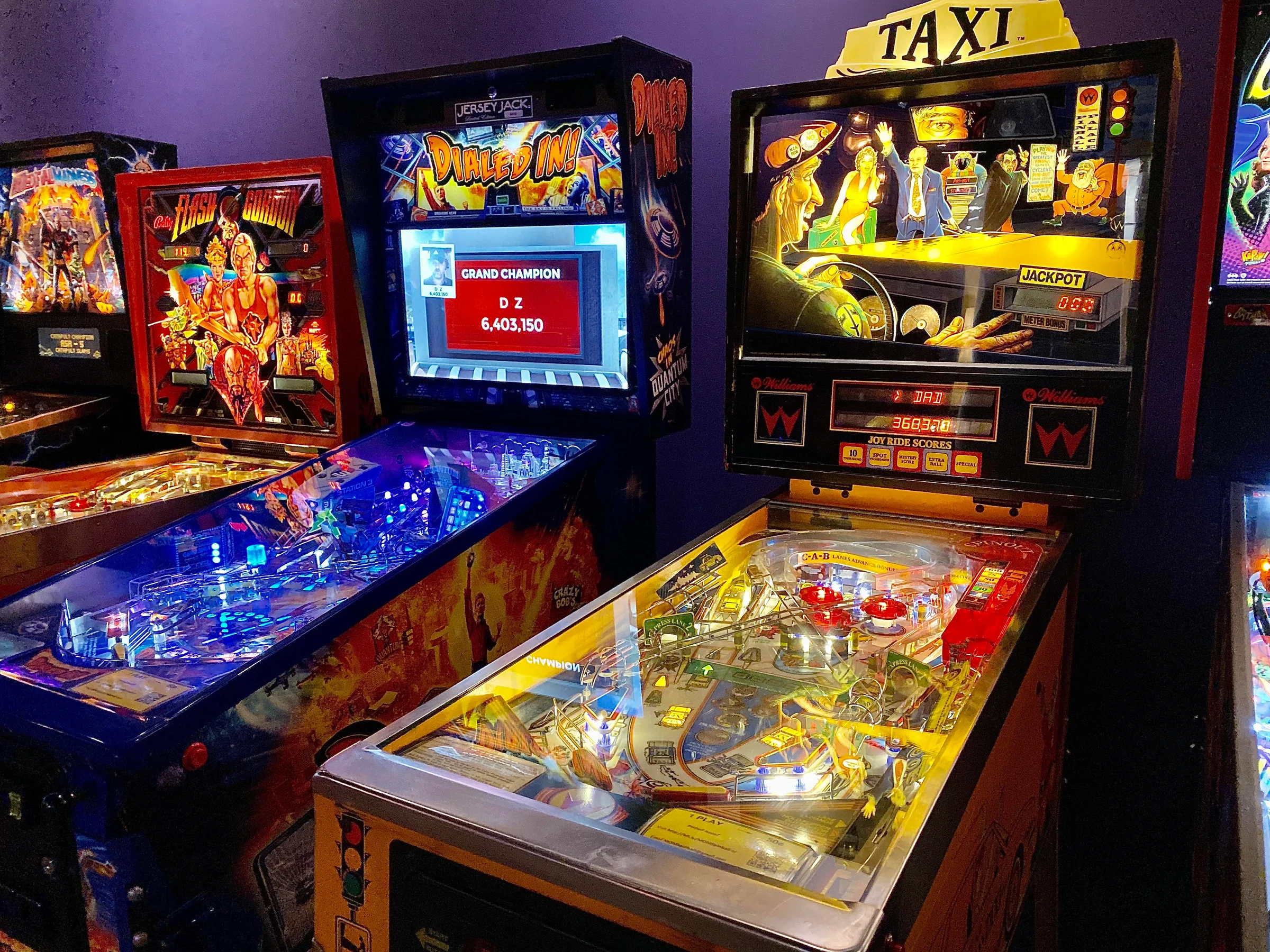
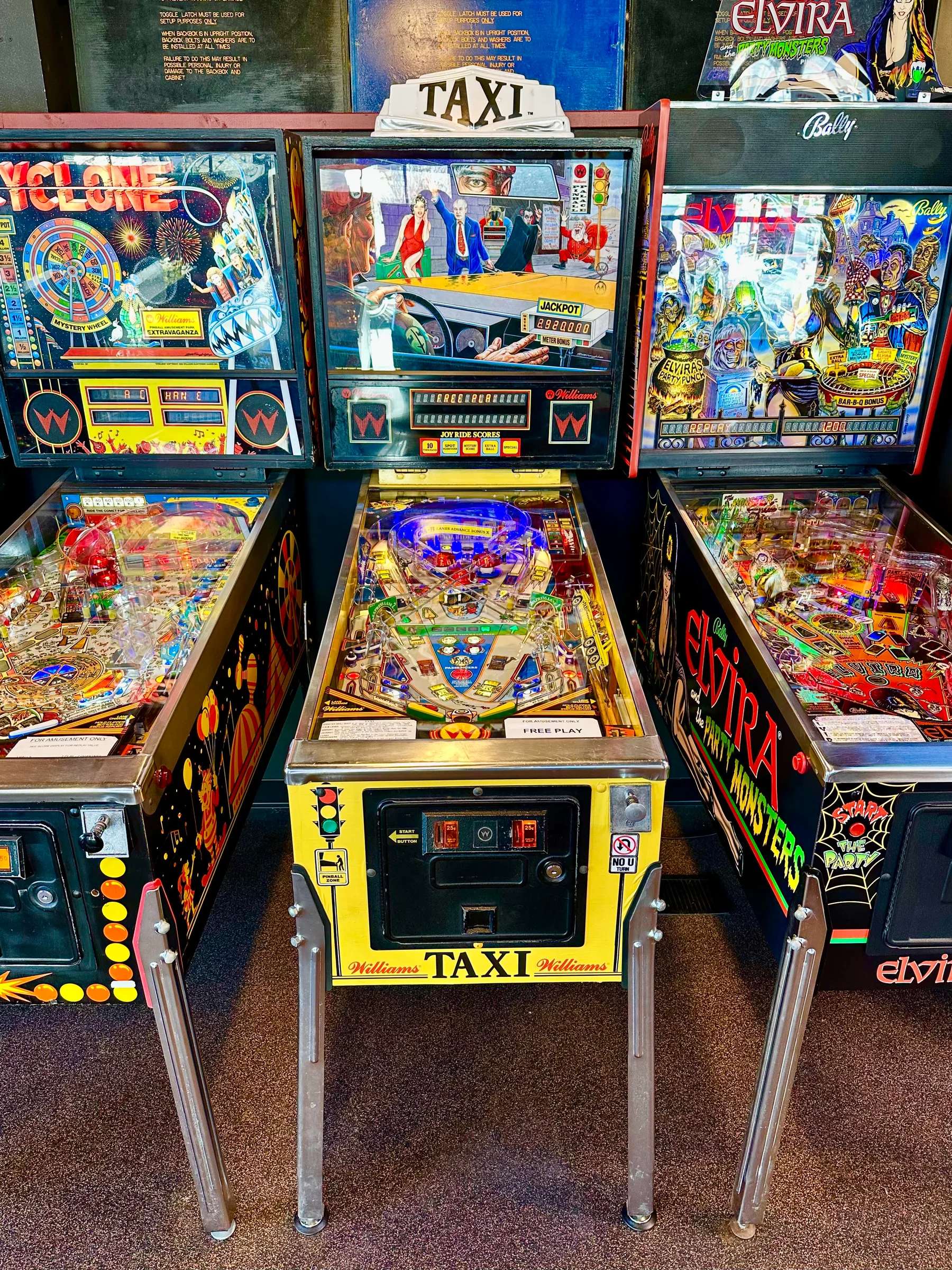
 Images of various Taxis that I've seen at locations over the years