The History of Gorgar: Williams' First Talking Pinball Machine
By knapparcade
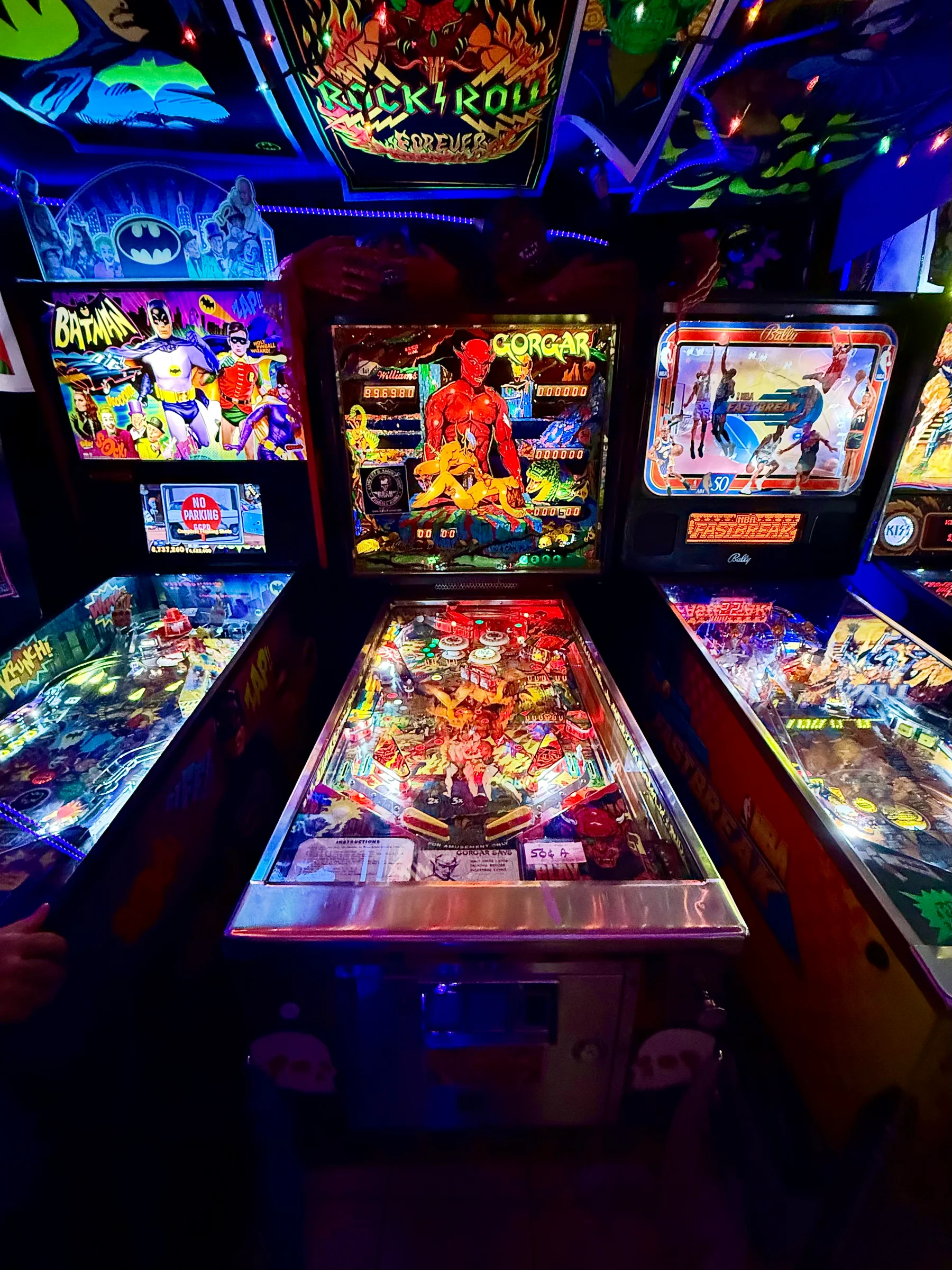
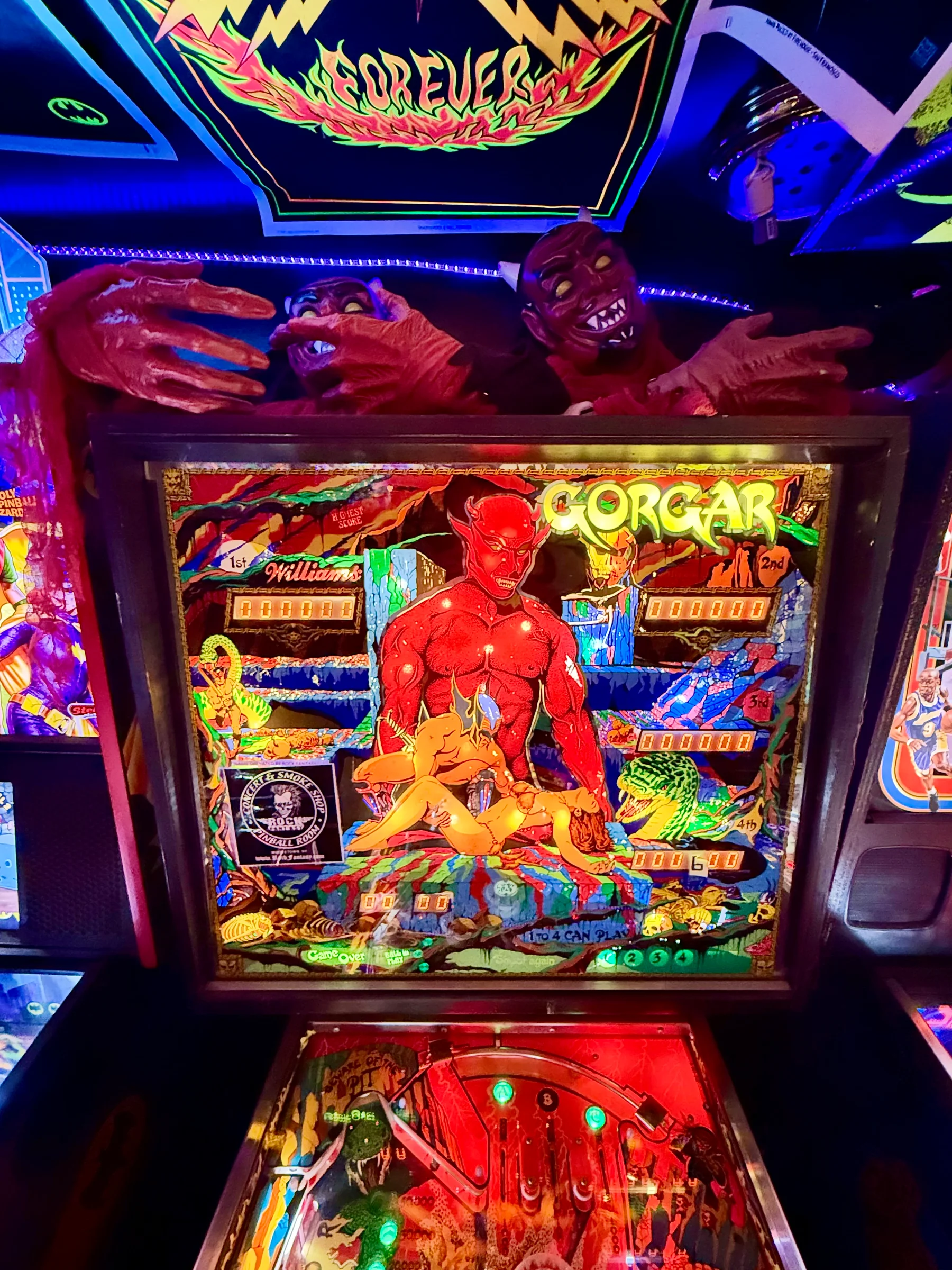
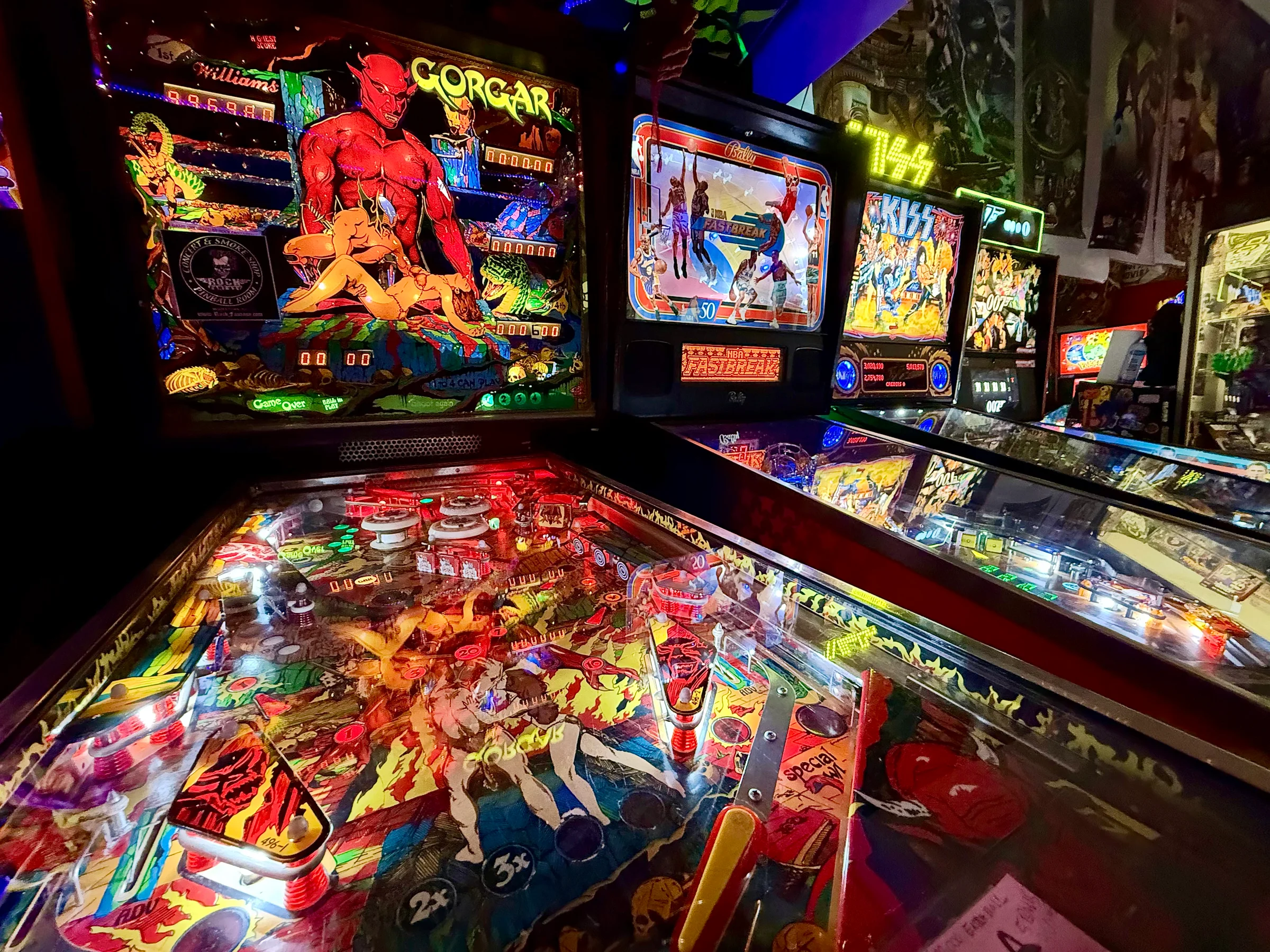
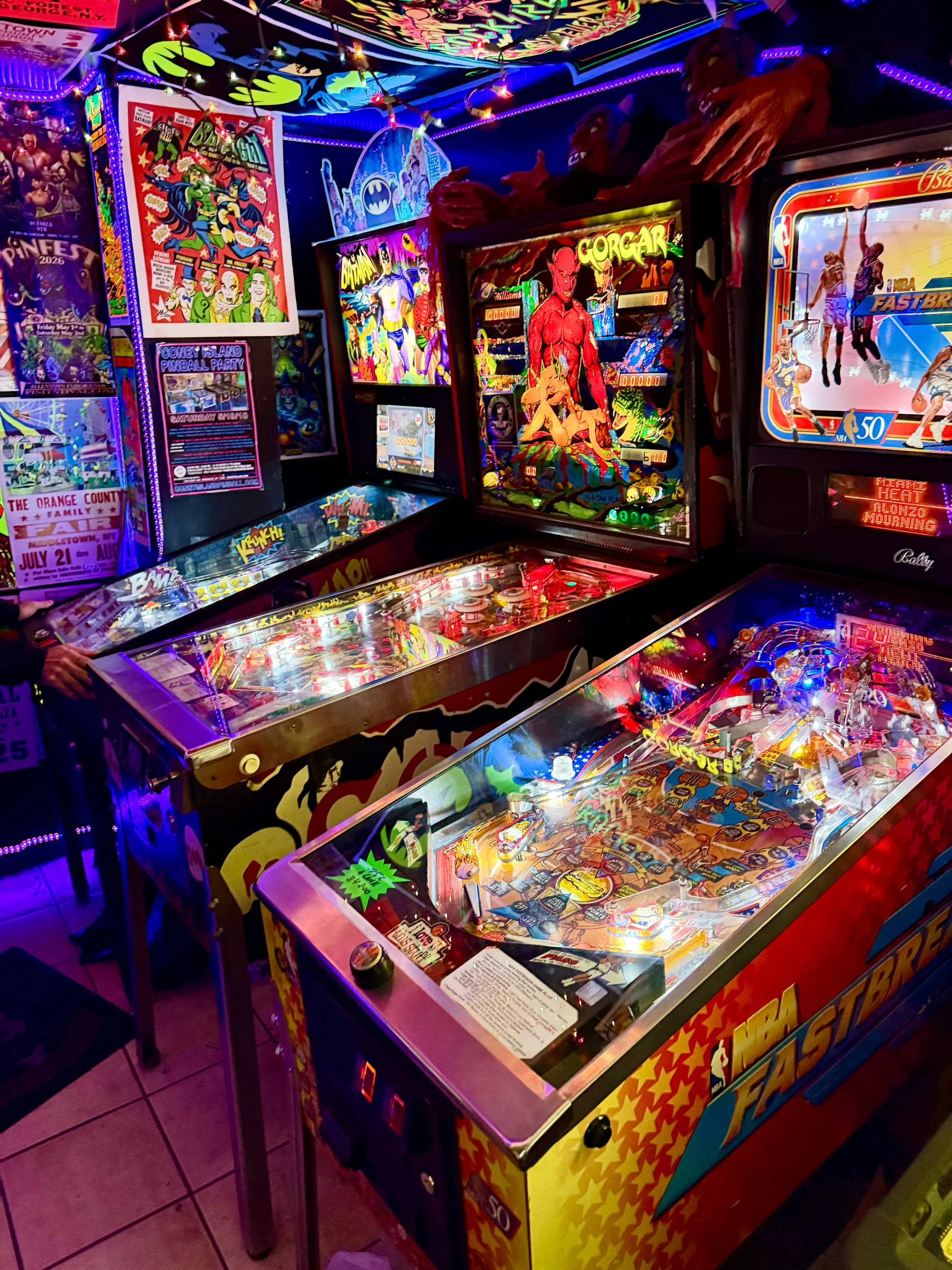
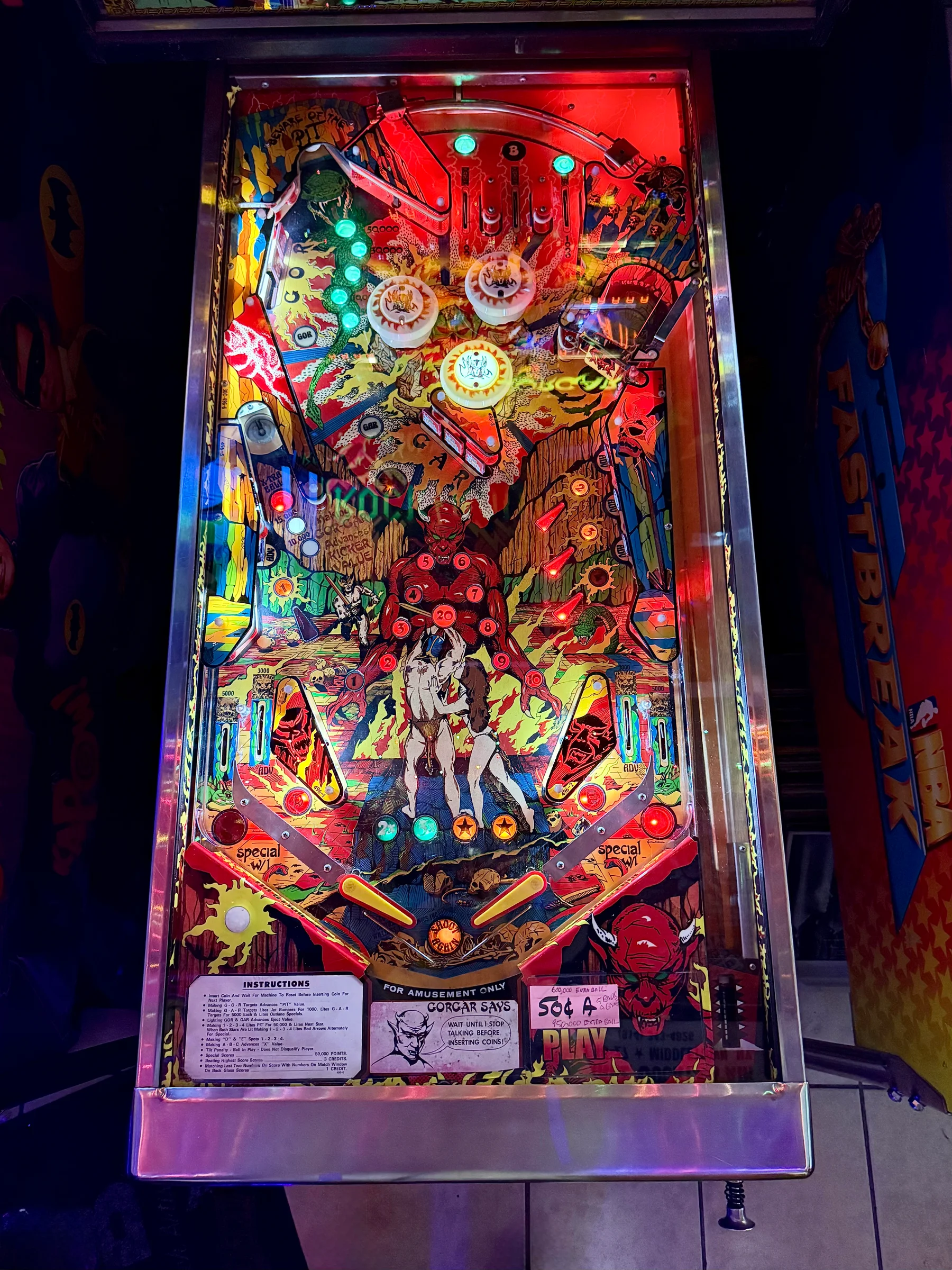
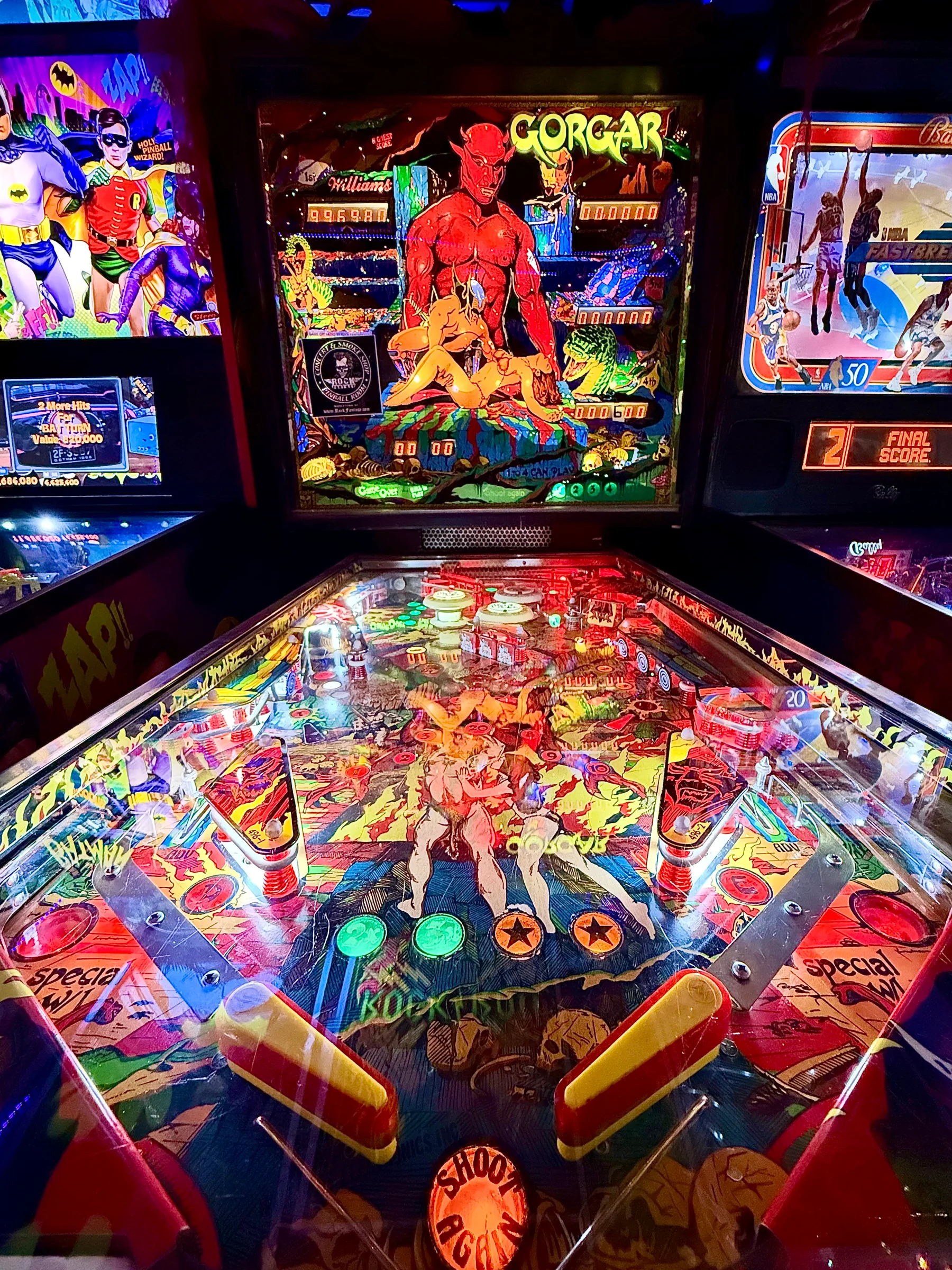
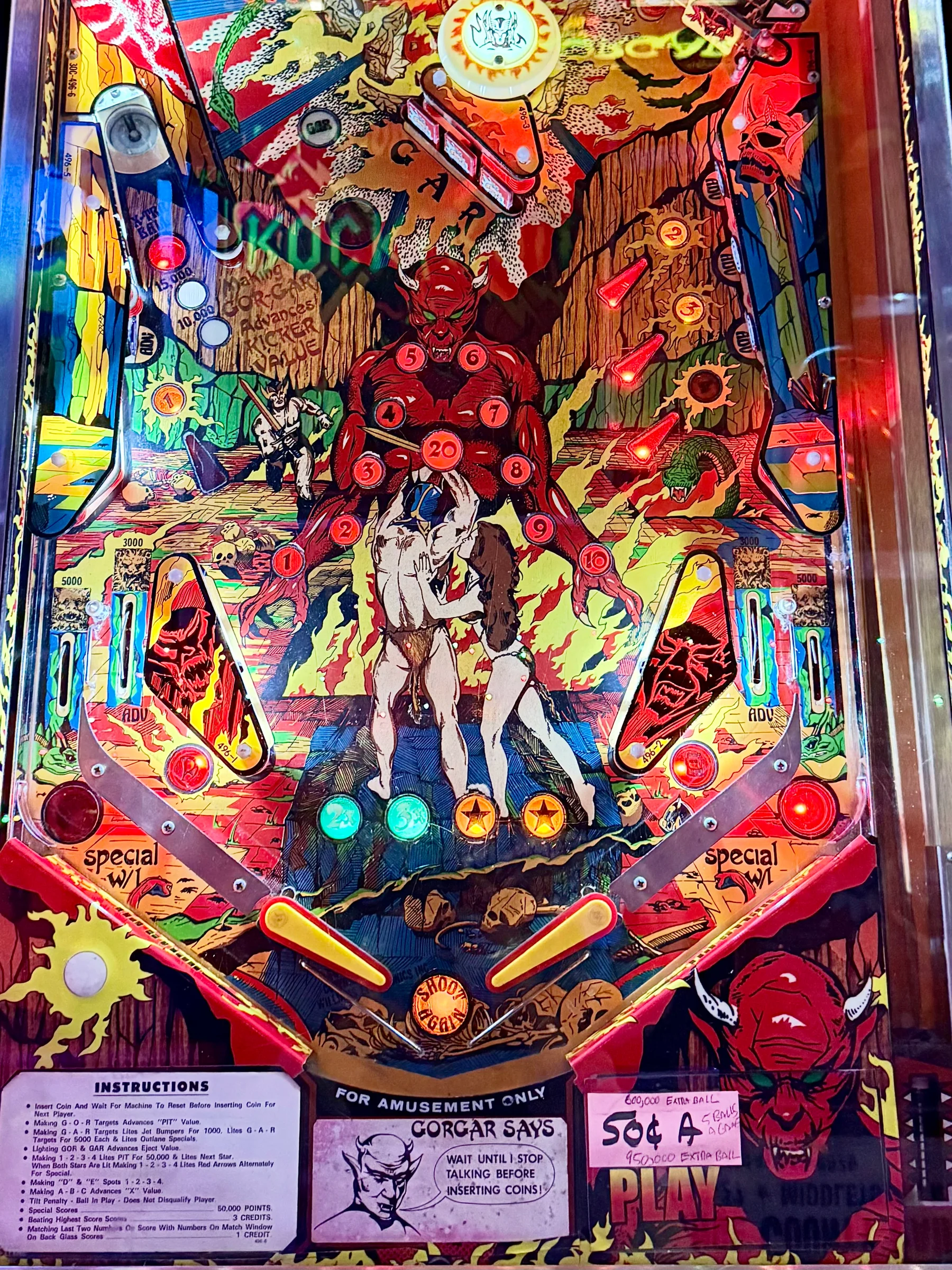
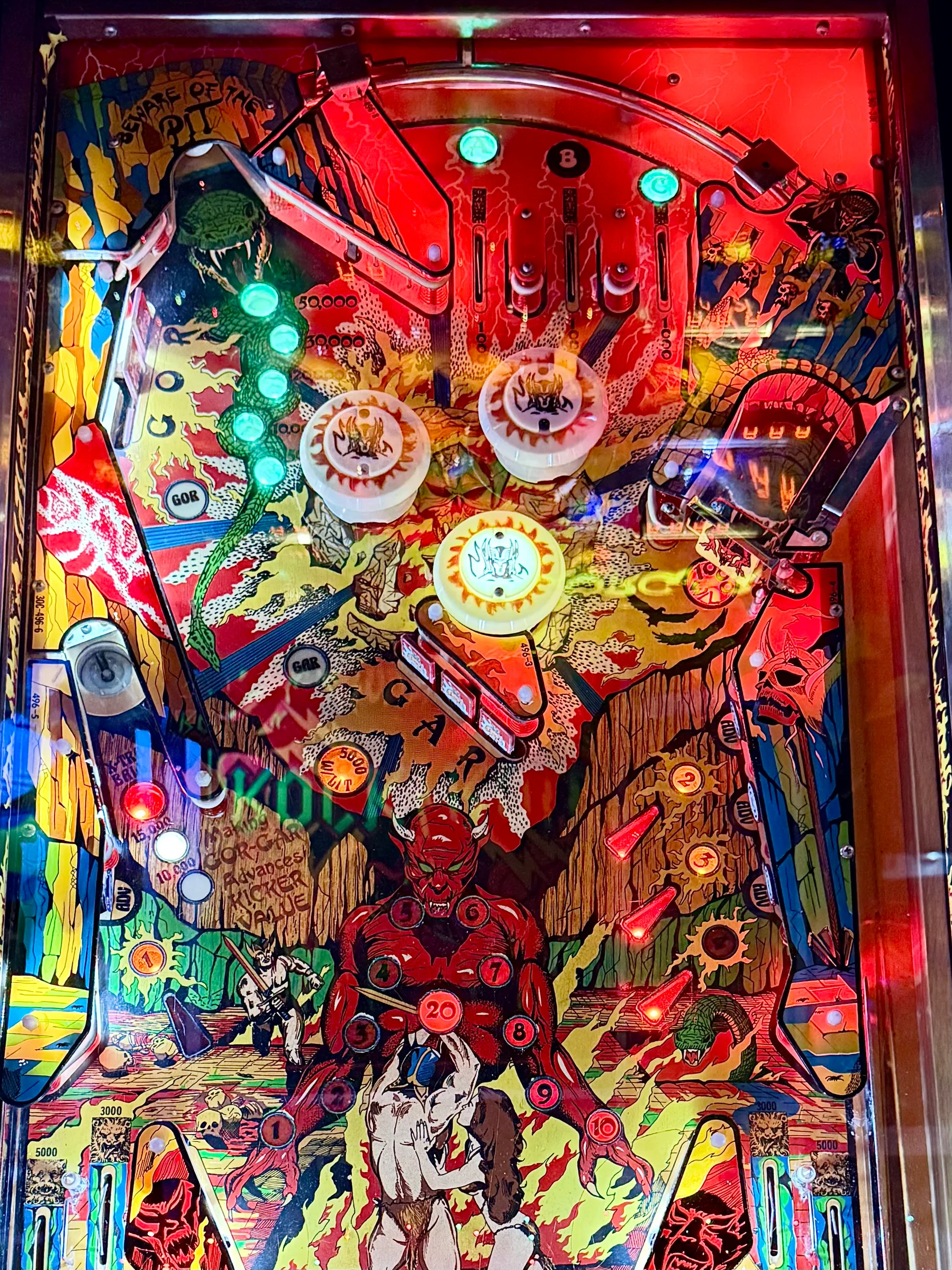
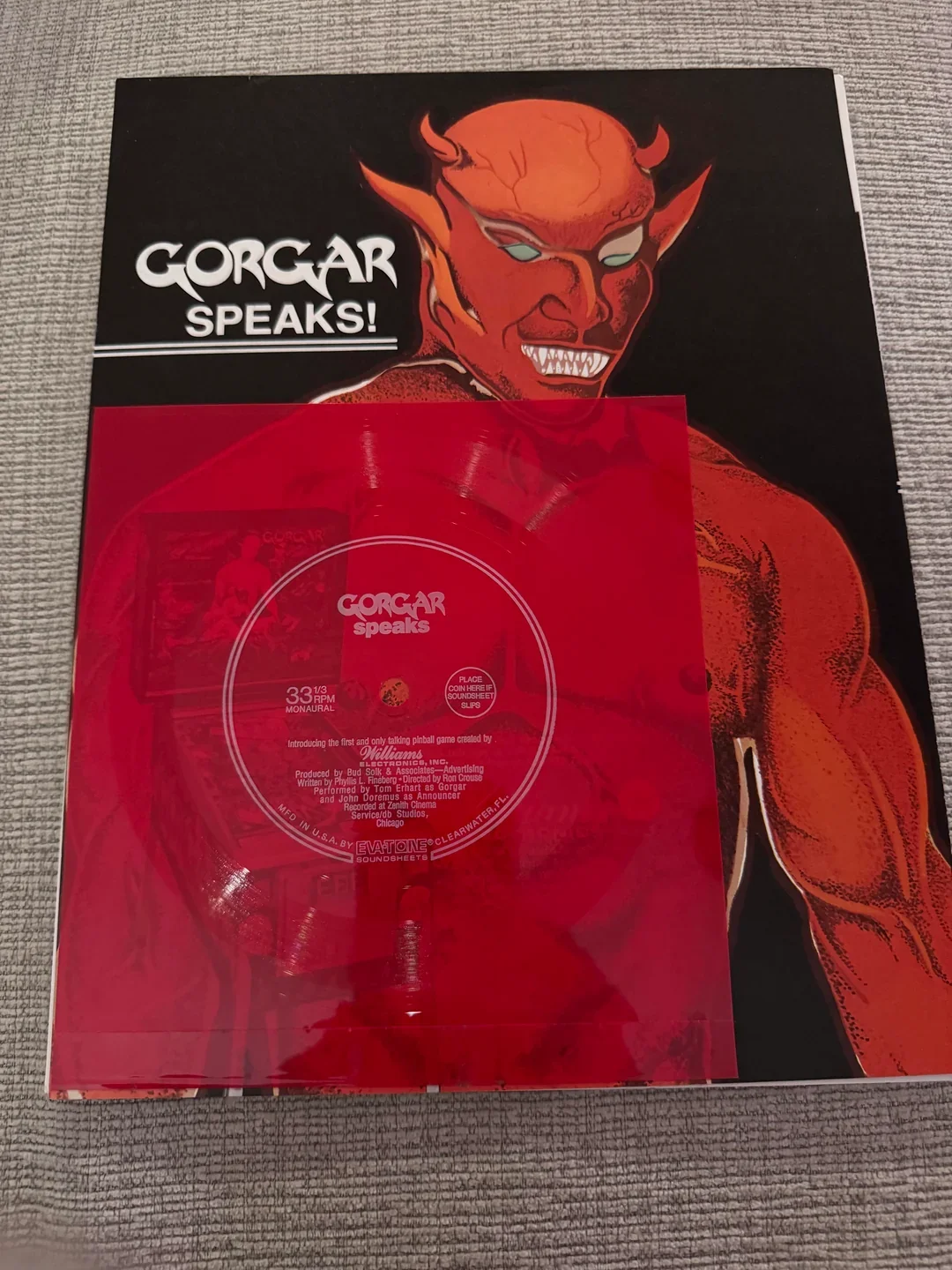
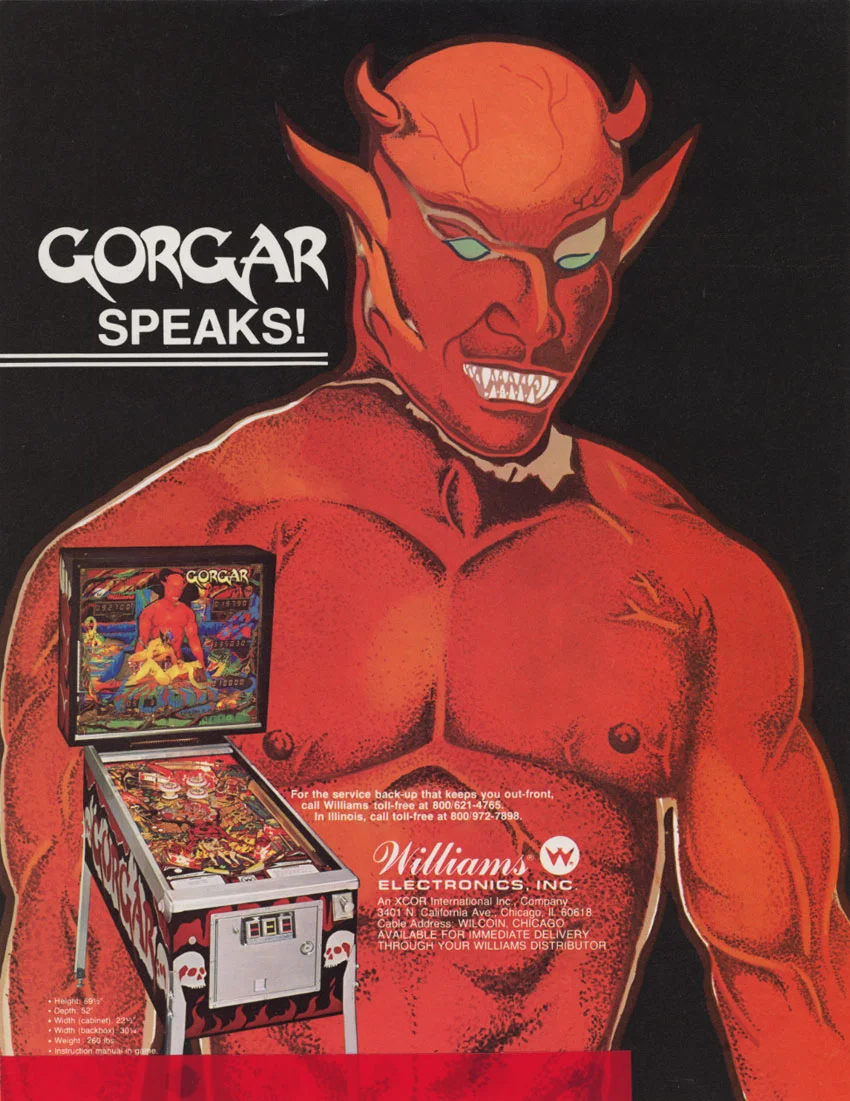
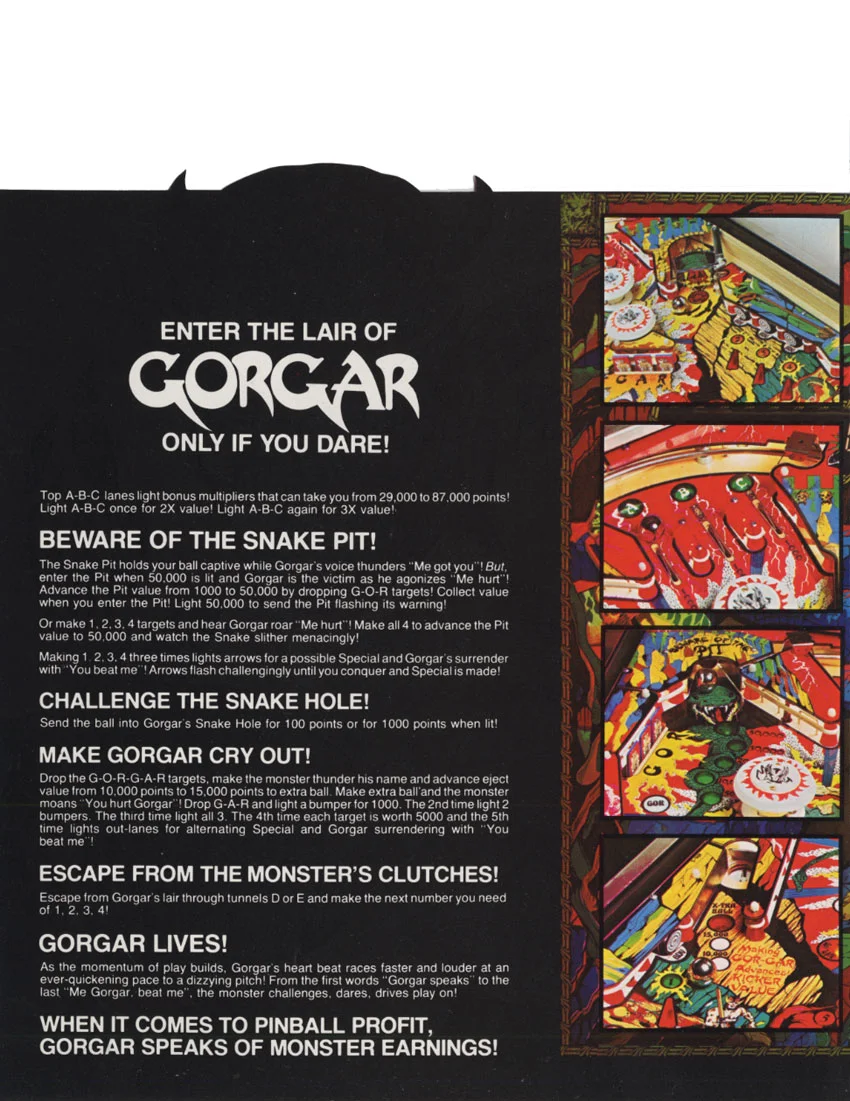
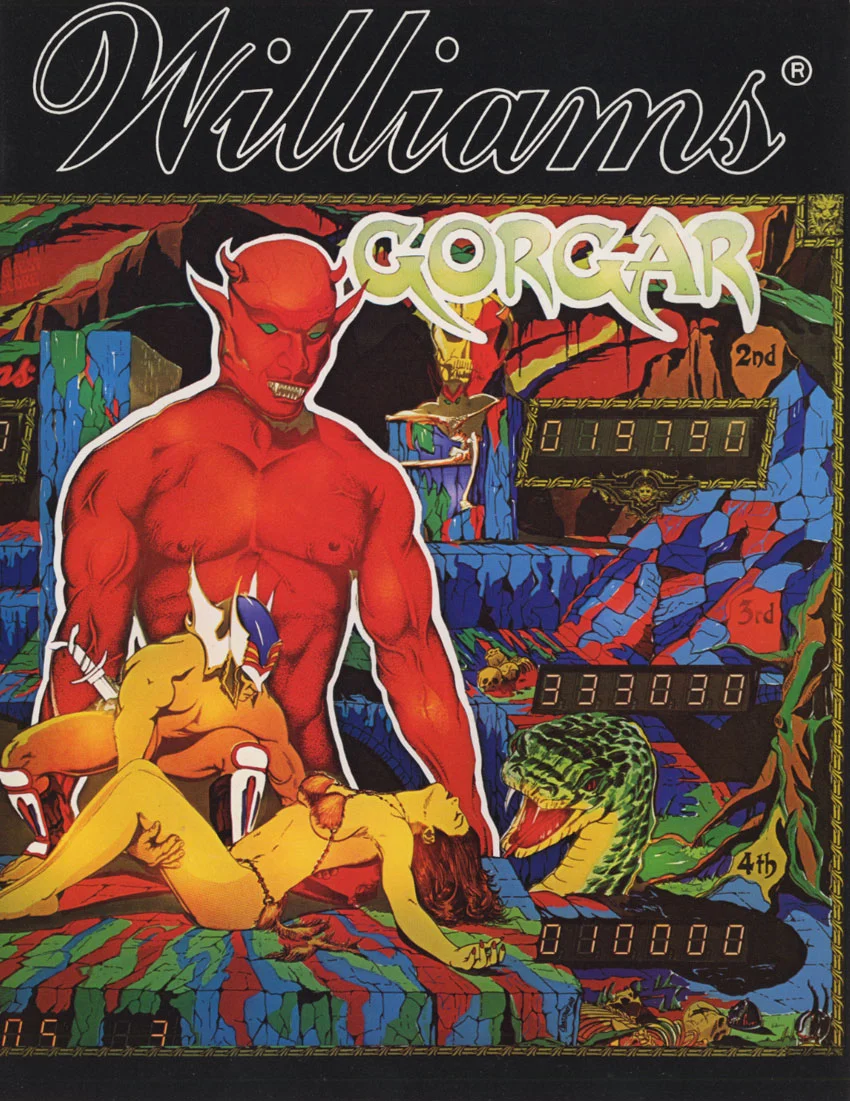
Williams' Gorgar, released in December 1979, was the first commercial pinball machine to talk. Designed by Barry Oursler, the four-player game sold 14,000 units and made speech something players expected from a new pinball machine. The road to speech Gorgar wasn't the first Williams game designed to talk. That was Disco Fever. Williams showed a prototype of it at the 1978 AMOA Expo in Chicago, running speech off a computer system built in-house and mounted in the playfield box. Attendees kept asking staff to lift the playfield so they could see what made it talk. The staff weren't allowed to show them, because the hardware wasn't ready to go public. Williams engineers spent more than a year trying different chips before a production speech board was practical. Programmer Paul Dussault said the board they landed on used a Motorola CVSD chip, essentially a one-bit digital-to-analog converter, to encode speech and play it back during a game. Disco Fever hit its ship date before the chip was ready and went out without speech. That put Gorgar first. Speech was added after Oursler had already laid out the playfield and features. The vocabulary was seven words — "Gorgar," "speaks," "beat," "you," "me," "hurt" and "got" — combined into eight phrases. Players heard "You hurt Gorgar" when they earned an extra ball and "You beat Gorgar" when they set the high score. Williams used the wait for the chips to improve the voice itself. A professional studio announcer recorded the seven words, and the recordings were run through three studio synthesizers and programmed into the phrases. Williams president Michael Stroll said the company could have settled for a flat monotone but went after the tone and inflection of a real voice. The groundwork for all this was World Cup (March 1978), the first Williams solid-state game with electronic sounds and the debut of sound engineer Randy Pfeiffer. Williams included a switch that let operators go back to traditional chimes, because it worried older players wouldn't like the new sounds. Mostly, the switch confused people. The same game could sound different from one location to the next, and some owners flipped it by accident and couldn't figure out how to switch it back. The designer and the magnet Barry Oursler joined Williams the day after he graduated high school in 1970. His father worked in quality control there and told him about an opening in the "sample room," where samples and prototypes were built for every game in production. Oursler started as a tester. It was eight years before he got to design a game. His first was Phoenix (1978), which sold more than 6,000 units and teamed him with Paul Dussault, a software programmer he would work with on several more tables. In 1979 he designed Gorgar, Time Warp and Laser Ball. The idea behind Gorgar came from Steve Kordek's Zodiac (1971), a game built more like the old baseball machines, with targets across the back and a magnet in each of the two back corners. A ball caught in a corner was held there while the bonus counted down. Oursler wanted to try that magnet on a real pinball game with flippers and bumpers. On Gorgar, the magnet went in the "snake pit" on the left side of the playfield, where it held the ball in place. Three upper lanes feed three pop bumpers. The layout doesn't produce huge scores, and it wasn't designed to. Every bonus has to be earned, so a score that would look ordinary on another game counts for a lot on Gorgar. Eugene Jarvis and the heartbeat Gorgar's sound was done by Eugene Jarvis, a few years before Defender made his name. Along with the speech, the game plays a heartbeat that gets faster and louder the longer the ball stays in play and the higher the score climbs. Jarvis grew up playing pinball in the back room of a Palo Alto smoke shop. Atari hired him into its pinball division, where he helped finish its first table, The Atarians. Within two weeks so many people had left or been moved that he was running programming. He left a little over a year later, partly over the division's hardware and manufacturing problems. Some machines reportedly caught fire. He came to Williams in Chicago after Steve Ritchie called him about an opening. Jarvis learned the Williams sound board on Oursler's Laser Ball, which ran on System 6 hardware. That system had 512 bytes to hold both the program and the sound data. To work inside that limit, Jarvis wrote Gwave, a wavetable synthesizer that became the standard sound tool on Williams pinball for the next decade. Some of his best results came from entering random or undefined parameters, such as telling a sound to echo zero times. That pushed the 8-bit math into distortion he compared to an overdriven Marshall amp. The art The artwork is by Chicago artists Constantino and Jeanine Mitchell. Constantino studied at the Art Institute of Chicago under Ray Yoshida and was part of the Chicago Imagist movement, a style known for surreal and often grotesque treatment of the human figure. His friend, the painter Ed Paschke, pushed him to apply for an artist opening at Williams in 1976. Mitchell sketched ideas during his interview and was hired on the spot. He went on to do art for nearly two dozen Williams games and more than 30 for Premier. The Gorgar backglass shows the horned demon towering over a barbarian, who lays a woman on a snake-ringed altar. The playfield shows the barbarian fighting Gorgar as he rises out of a fire pit, a scene with a clear resemblance to Boris Vallejo's 1978 painting In the Underworld. Paschke liked the game so much that Mitchell gave him the original artwork, and Paschke's family still owns it. The launch Williams made Gorgar the centerpiece of its booth at the 1979 AMOA Expo, held November 8–11 at the Conrad Hilton in Chicago, to drum up advance orders from distributors. The game had reportedly tested well on location even before the speech was added. The machines sat on raised platforms at the top of a short set of stairs, with large speakers. Williams reps gave a T-shirt to anyone who could get the devil to speak. “You could feel the vibration of the heart thumping from across the hall,” Oursler said. Stern Electronics, in the next booth, complained that Gorgar was drowning out its own games. Williams also made a record to promote the game. “Gorgar Speaks” was a promotional flexi disc produced by Bud Solk & Associates, a Chicago advertising agency. It’s a 6½-inch, red translucent, single-sided disc, pressed by Eva-Tone Soundsheets, the company behind most of the flexi discs of that era. Its catalog number is EU-105792, and it plays at 33 rpm. The narration and sound effects were performed by John Doremus and Tom Erhart. Williams sent the discs out with flyers so operators could hear the talking game before they ordered one. The record is now a rare collectible, and you can hear it on YouTube. The promotion carried into 1980. During the AMF Voit/Self Magazine Racquetball Classic finals, Williams put two Gorgar machines at the Tropicana Country Club and the Las Vegas Racquetball Club. Their earnings went to the American Heart Association, and the machines were given to the tournament winners. Production ran from November 28, 1979, to March 14, 1980, and Gorgar sold 14,000 units. Williams’ own product records actually list 14,318 games: 8,924 for the U.S. and Canada and 5,394 for export. Those figures may be sales estimates. Distributors paid $1,449 per game. The sales gave Oursler the freedom to build almost any game he wanted, and he stayed at Williams designing tables for another 16 years. Source: From Pinballs to Pixels: An Arcade History of Williams-Bally-Midway and the Internet (an incredible book, must-read for fans of arcade history)